
August 28, 2026 · CHARITY ACHIENG
Why Your Best Leads Keep Going to Whoever Answers Fastest, Not Who's Best Suited
Your fastest rep isn't always your best one for the job. Here's why speed-first lead assignment quietly costs sales teams their strongest deals, and what fit-based routing looks like instead.

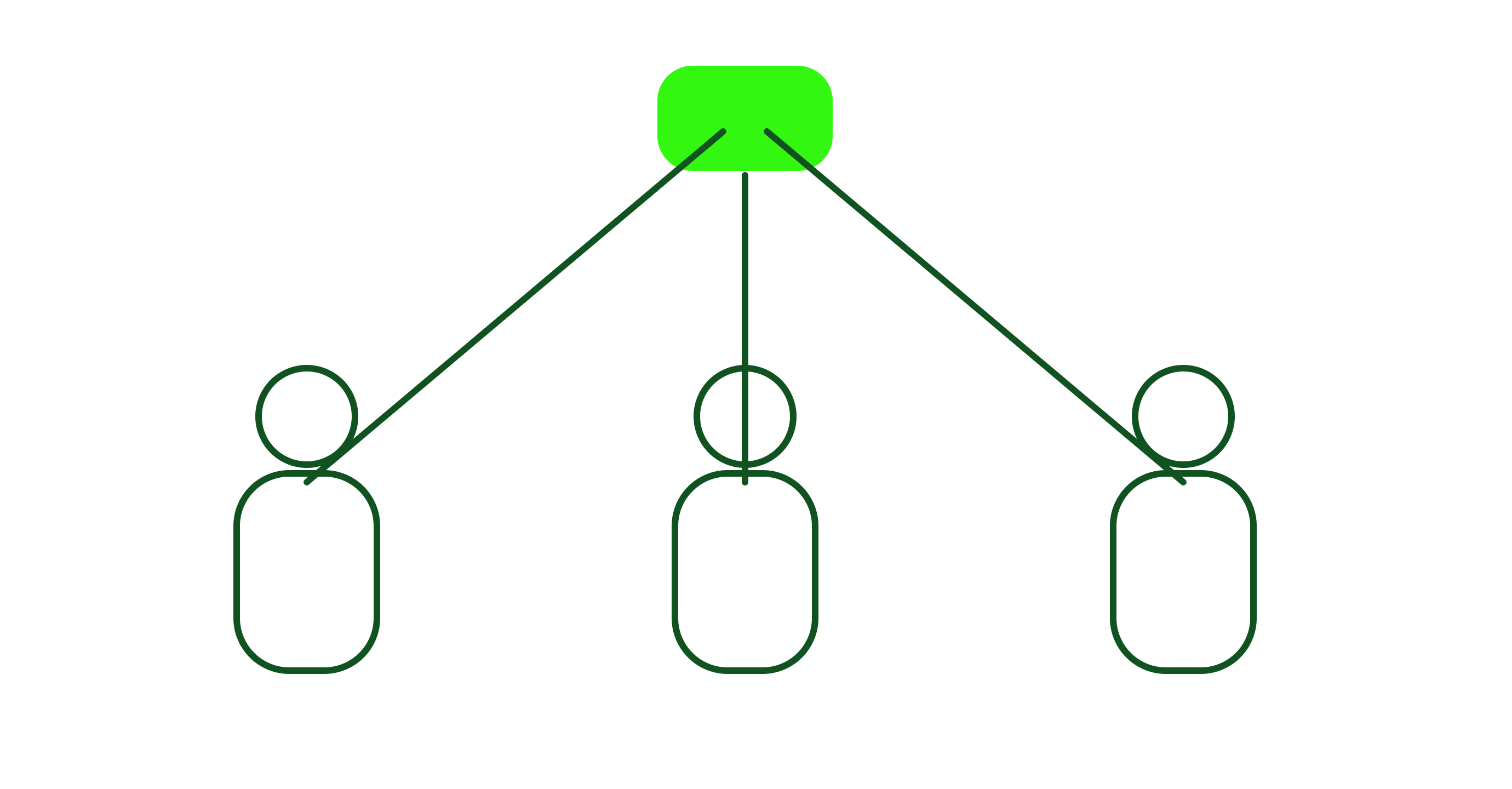
A serious buyer fills out your form at 9:47 on a Tuesday morning. They've got budget, they're ready to move, and they specifically need someone who understands, say, commercial refits in older buildings. Thirty seconds later, three of your reps get pinged, and just like that, lead routing kicks in. Two of them are your sharpest people for exactly this kind of job. But the third, the one who's decent but green, the one who happens to have his phone in his hand between calls, hits "claim" first.
Guess who just got your best lead of the week?
Speed isn't the same as fit
We've quietly built a whole culture around lead speed. And there's a good reason for it. Study after study shows that responding within five minutes beats responding in thirty by a mile. Wait an hour and your odds of even reaching that person drop off a cliff. So "answer fast" became gospel, and honestly, it should be.
The problem is what happened next. We took a rule about responding quickly and turned it into a rule about assigning to whoever responds quickest. Those are not the same thing. One is about the buyer's experience. The other is just about which of your reps had a slow morning.
I've watched this play out in agencies and sales teams for years, Nairobi included. The person who wins the most leads is rarely your best closer. It's your least busy one. Or the one who games the notification system. Or the guy who keeps a second monitor open just to pounce. Meanwhile your specialist, the one who could actually close this deal at full price, is on a call with an existing client and misses the window entirely.
The hidden cost nobody puts in the spreadsheet
Here's what makes this so sneaky: the numbers look fine on the surface. Every lead got claimed. Response times are great. The dashboard is green. Everyone's happy.
But underneath, you're bleeding money in ways that never show up cleanly:
Your high-value leads land with people who can't do them justice, so they close at a lower rate, or close at a discount because the rep couldn't hold the value.
Your strong reps get a random assortment of scraps and hot leads, so their conversion numbers get muddy and you can't tell who's actually good.
The fast-clickers burn out chasing volume, and the specialists disengage because they never see the work they're actually best at.
I once worked with an agency where one rep was "top of the leaderboard" for six straight months. When we finally looked at close rate instead of claim rate, he was near the bottom. He just claimed everything. He was hoarding leads he had no business touching, and the deals that should've gone to a senior consultant quietly died in his pipeline.
Why this keeps happening
It's not that people are lazy or that managers don't care. It's that most lead routing was built around one variable, time, because time is the easiest thing to measure. Fit is harder. Fit means knowing that Sarah is great with anxious first-time buyers, that Marcus owns the enterprise accounts, that anything involving a specific product line should go to whoever actually sold it before.
That knowledge usually lives in someone's head. Or in a WhatsApp group where three people are typing "I'll take it" at once. Or in a round-robin system that treats every lead like it's interchangeable, which they absolutely are not.
So the tiebreaker defaults to speed, because speed is the only rule the system actually enforces.
What good assignment actually looks like
A few things that genuinely move the needle:
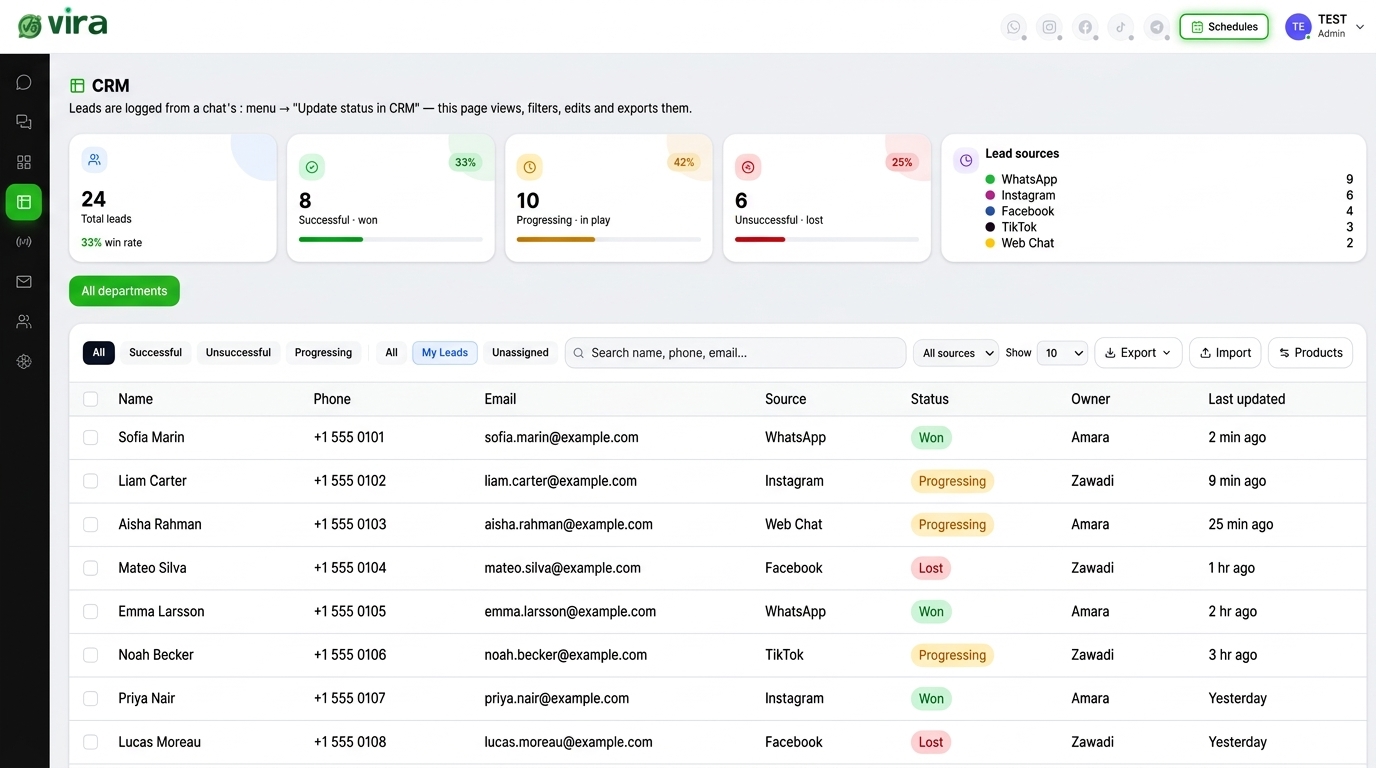
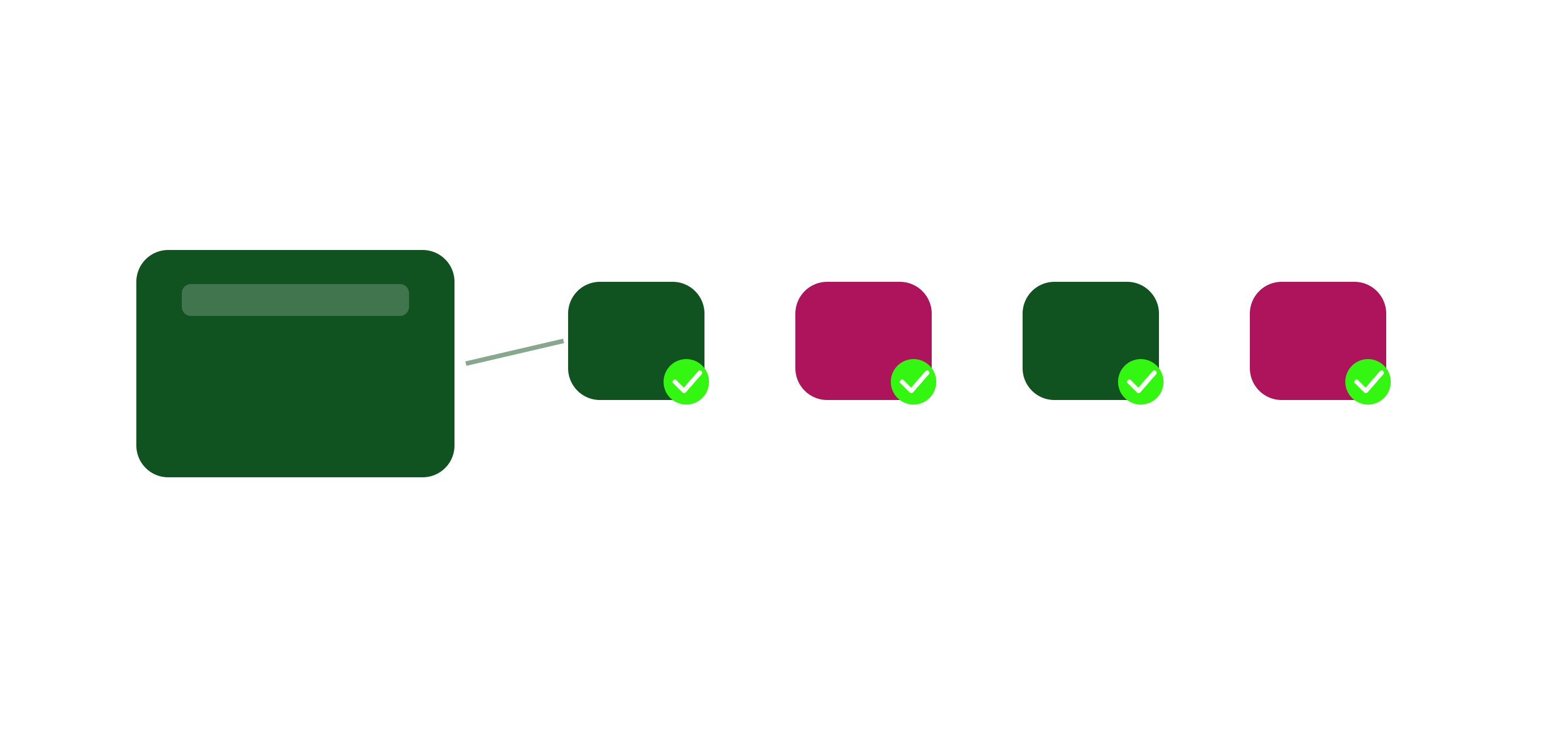
Qualify before you assign. If you know the lead's need, budget, and situation before it hits a person, you can route it to someone who matches. This is where a unified chat layer earns its keep, turning a raw inquiry from WhatsApp, Instagram, Facebook, or your website into a lead you can actually place well. It's exactly the layer Vira.chat is built to be, with round-robin, keyword, or manual routing across all your channels, so fit gets built into the decision instead of left to whoever's fastest.
Match on skill, not availability alone. Your routing should know who's good at what. "Commercial refit inquiry, route to the two people who've closed those" beats "route to whoever's idle."
Respond instantly, assign thoughtfully. These can happen in parallel. An automated first touch buys you the minute or two needed to get the lead to the right human, the buyer feels the speed, and you still protect the fit.
That's the whole trick, really. Separate the "make them feel heard right now" job from the "put this in the right hands" job. When those two get fused into one frantic race to click first, fit always loses.
The point
Your best leads deserve your best-suited people, not your fastest thumbs. When you catch yourself celebrating response time and ignoring who actually closed the deal, that's the signal something's off. Speed gets you in the door. Fit is what's waiting on the other side, and it's usually where the money is.
If your leads are going to whoever's quickest instead of whoever's right, you don't have a speed problem. You have a routing problem dressed up as a speed win.
Ready to see fit-based routing in action?
Vira.chat brings WhatsApp, Instagram, Facebook, and website chat into one shared inbox, with routing that puts fit ahead of speed. See what it looks like when your best-suited person gets the lead, every time, not just whoever clicked first.
Contact us for more info or to book a demo: +254 724 998 899 · @fansoftsolutions