
October 16, 2026 · CHARITY
Omnichannel Communication Quiz: Is Your Team Ready?
Take this omnichannel communication quiz to check if your team has shared history, clear ownership and routing across every channel.
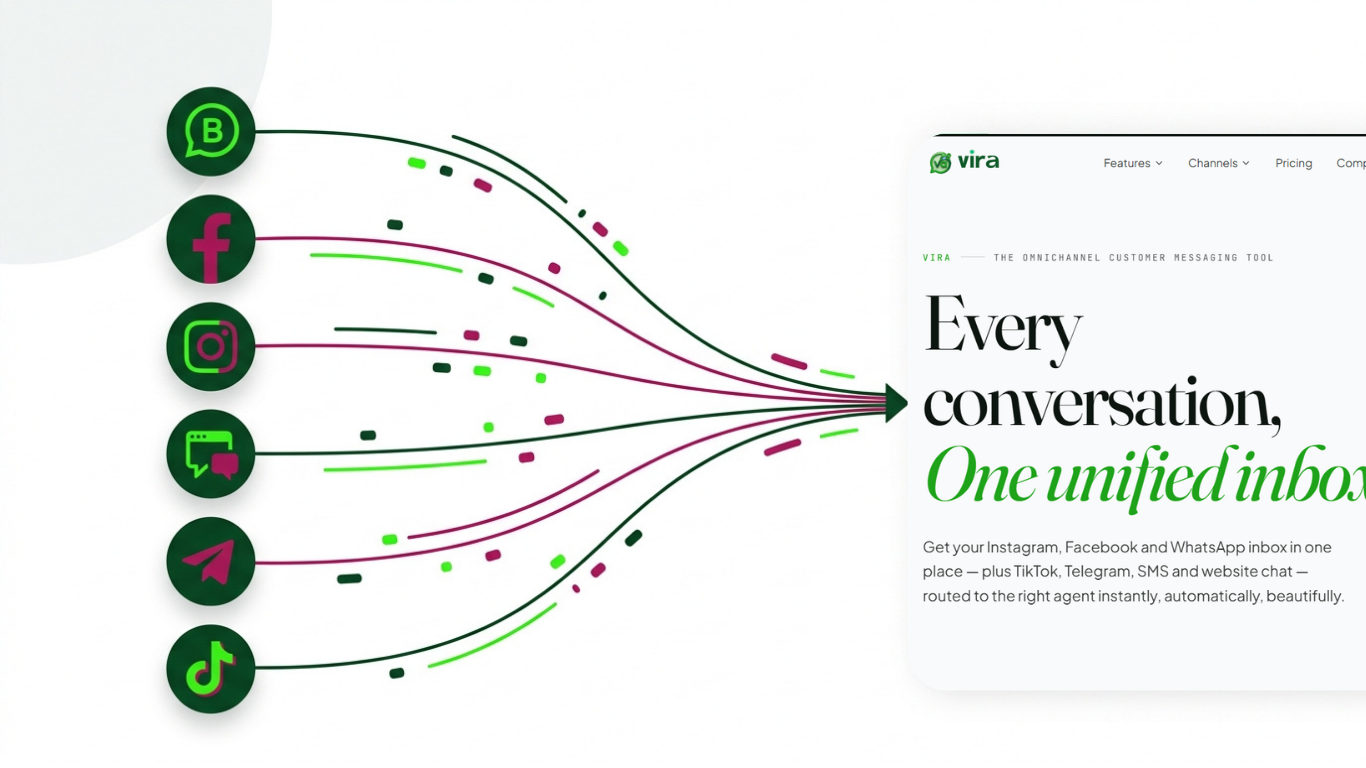
Omnichannel communication sounds simple until a customer writes on one channel on Monday, another on Tuesday and your website chat on Wednesday, and each reply starts from zero. This quiz helps you check whether your team has the shared history, clear ownership and routing that real omnichannel communication needs.
Most teams think they're further along than they are. They have email, WhatsApp, Instagram DMs and a live chat widget, so it feels like the hard part is done. But having channels isn't the same as connecting them. The test is whether a person on your team can pick up a conversation that started somewhere else without asking the customer to explain themselves again.
What omnichannel communication really requires
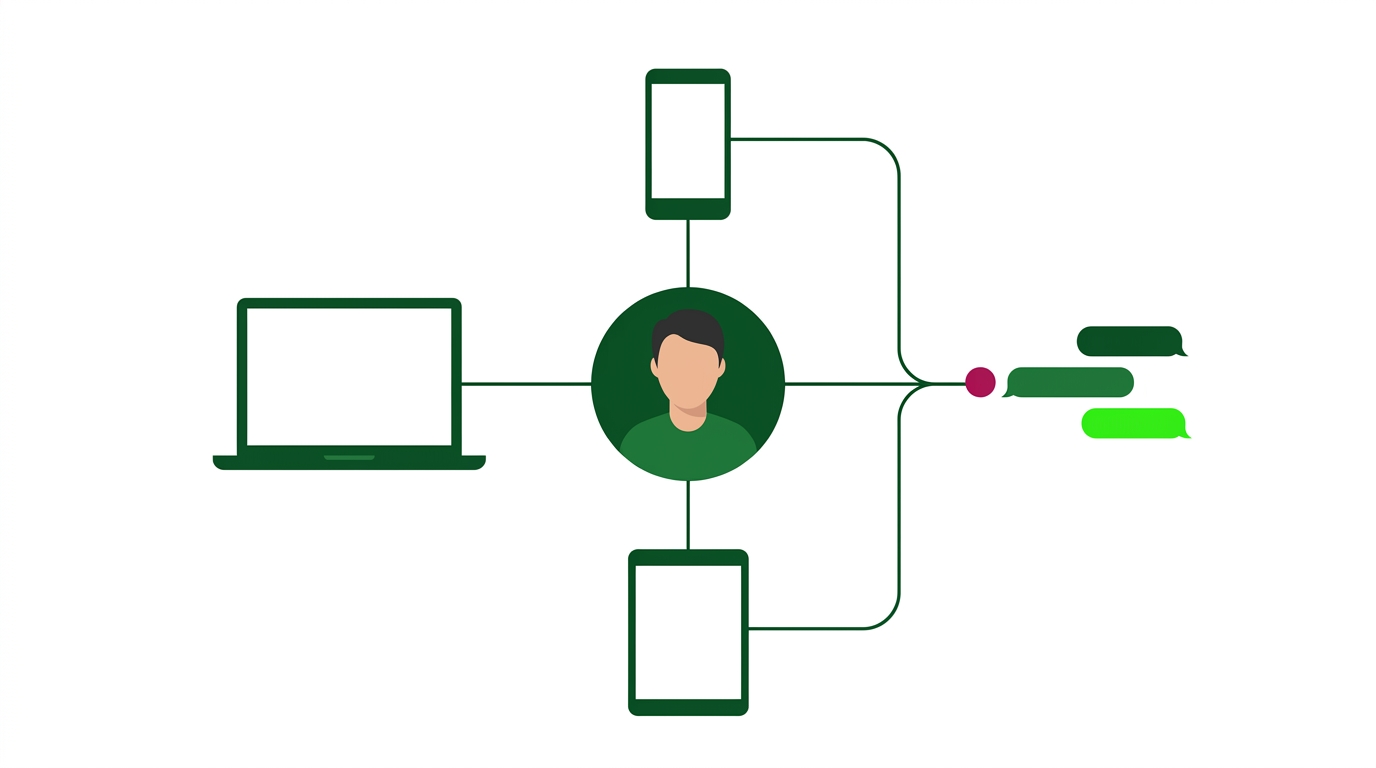
Strip away the buzzwords and the standard comes down to one idea: one customer, one conversation, one owner, no matter where they reach you.
If someone emails about a broken order and then follows up over chat two days later, the agent who answers should see the whole story. They shouldn't need to search three tools or guess what was promised. That continuity is the whole point of handling customer communication across channels, and it's the thing most setups quietly fail at.
Everything else — routing, workload, response time — exists to protect that single thread from falling apart.
The five-question readiness quiz
Grab a pen or just keep score in your head. For each question: A = Yes, always (2 points), B = Sometimes (1 point), C = No (0 points).
Q1. When a customer messages on a second channel, can your team see the earlier conversation?
If someone switches from email to chat, does the full history show up next to the new message, or does the agent start blind?
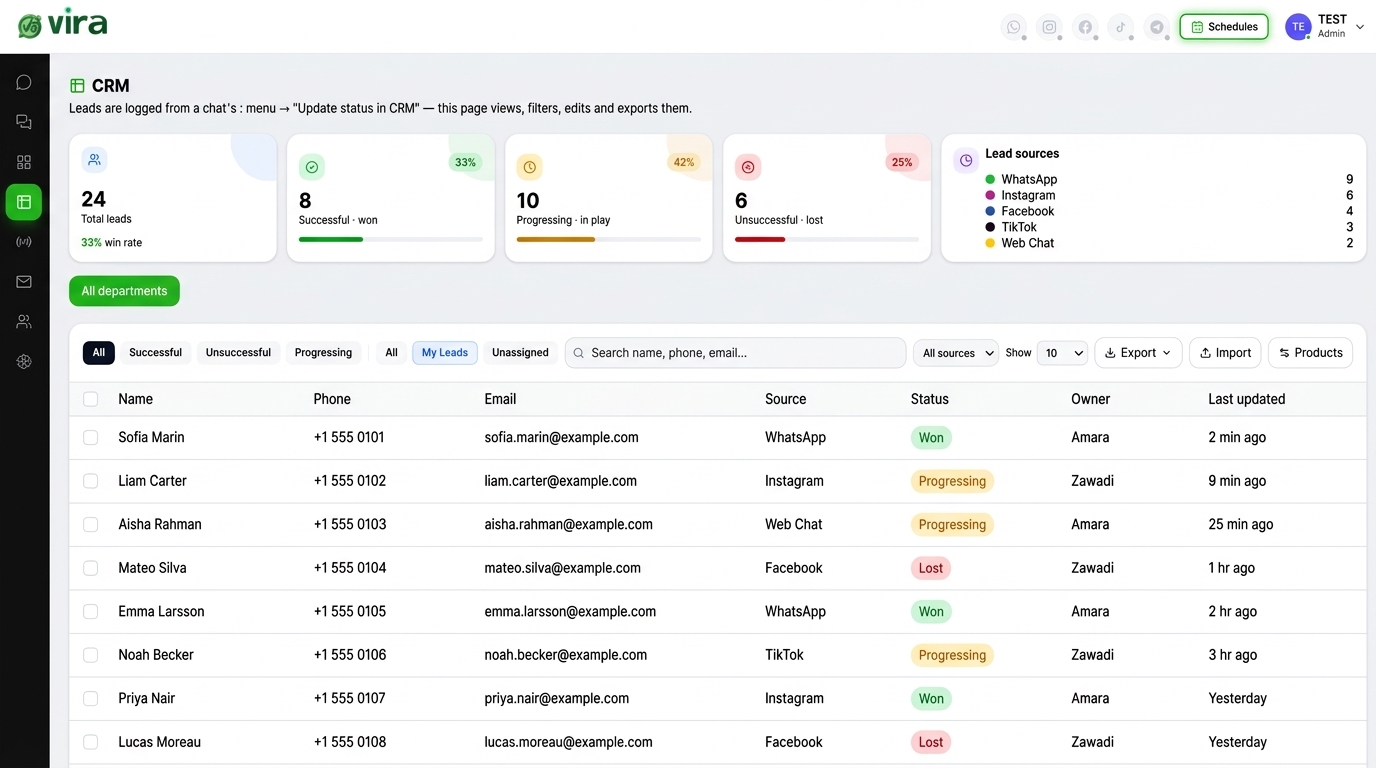
Q2. Does every open conversation have one named owner?
Not "the support team" — an actual person whose name is attached, so nothing sits in a no-man's-land where everyone assumes someone else has it.
Q3. Are new messages routed by a rule instead of whoever happens to see them first?
Round-robin, keyword routing or deliberate manual assignment all count. "Whoever grabs it" does not — that's how messages get double-answered or ignored.
Q4. Can a manager see each agent's open workload right now?
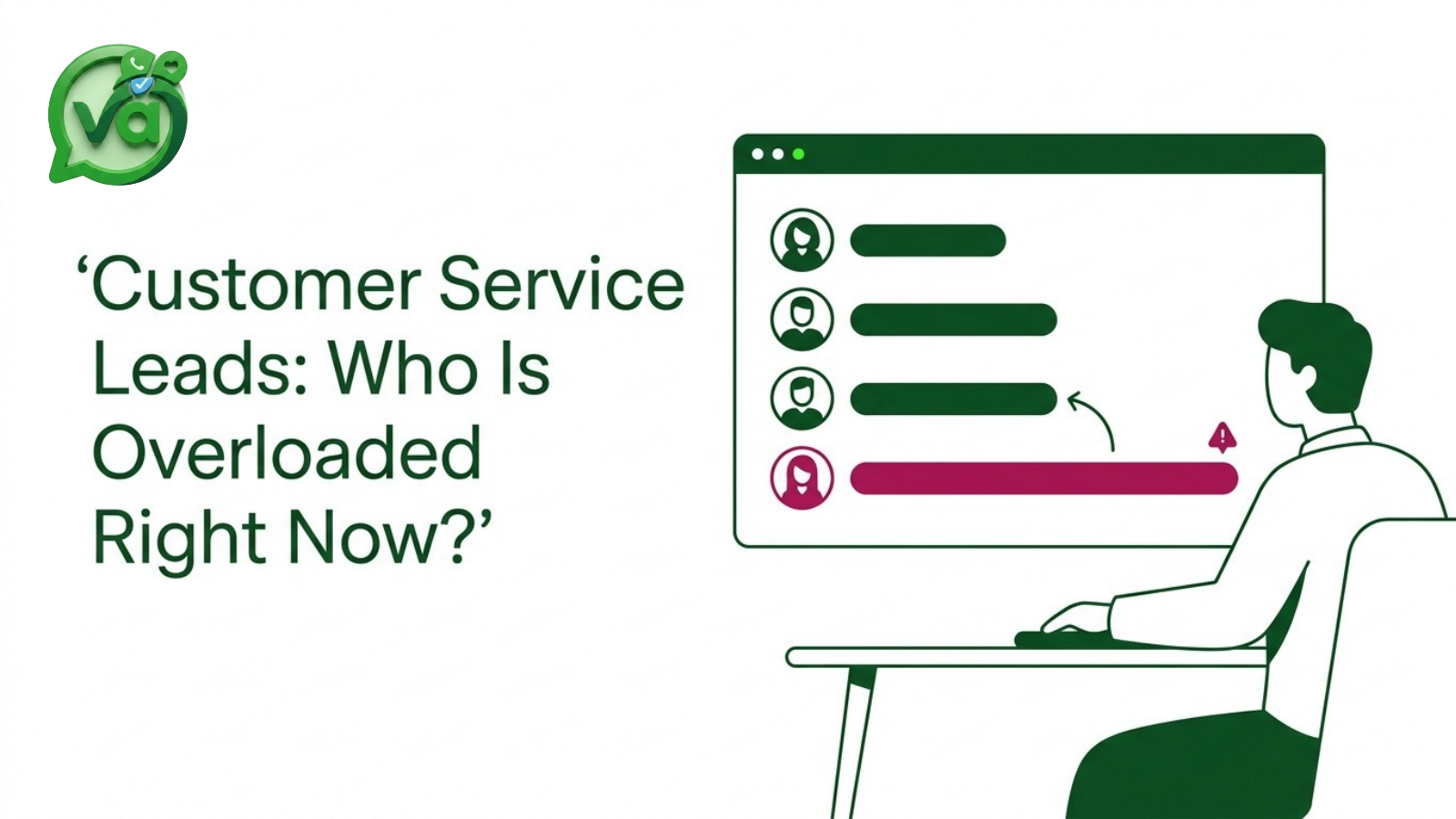
Without a stand-up meeting or a Slack poll. Just open a screen and see who has twelve conversations and who has two.
Q5. Can you see average response time for today without building a report?
If the number is sitting there on a dashboard, that's a yes. If you'd have to export data and make a spreadsheet, it isn't.
Add it up. Ten points is the ceiling.
Score your team
8 to 10 — Ready. Your conversations have history, owners and sane routing, and you can see what's happening without digging. Your job now is to protect these habits as you grow. The usual trap is that a system that works for five agents gets sloppy at fifteen, because nobody formalized the rules — they just knew each other. Write the routing logic down before your next three hires.
4 to 7 — Partly ready. You've got some structure, but the cracks will show up at the ownership layer first. This is the most common score, and it's the most deceptive one, because things feel fine until two agents answer the same customer differently and the client loses trust. Fix ownership before you touch anything else.
0 to 3 — At risk. Right now your customers are probably repeating themselves, waiting too long, or getting contradictory answers depending on who replies. It's not a sign your people are bad at their jobs. It's a sign the tooling is making them work against each other. The good news: this is very fixable, and the fix pays off fast.
What to fix first in your omnichannel communication setup
If you scored anywhere below an 8, resist the urge to overhaul everything at once. Work in this order.
Get the history in one place. A shared inbox for teams that pulls every channel into a single thread per customer is the foundation. Without it, nothing else sticks, because agents can't see what they're building on.
Assign one owner per conversation. This is where customer service team accountability actually lives. When a name is attached, there's no hiding and no dropped handoffs — and people take more care when their name is on the reply.
Replace "first to notice" with a routing rule. Even basic round-robin beats chaos. It spreads the load and kills the double-reply problem in a week.
Make workload and response time visible. You can't coach what you can't see. A manager glancing at open counts can rebalance before someone burns out.
Notice the sequence. Ownership and routing only mean something once the shared history exists, and metrics only help once there's a structure to measure. Teams that skip to dashboards first usually end up measuring their own confusion.
The quiz isn't really about the score. It's about where the next conversation is going to slip through. Answer honestly, fix the lowest-numbered gap, and run it again in a month — your omnichannel communication gets stronger one habit at a time. If you'd rather not patch five tools together to get there, this is exactly the problem a unified setup is built to solve.