
August 26, 2026 · VIRA ADMIN
Get leads from all socials in one inbox
Most business owners I talk to are drowning in this. Not because they don't have leads — they've got plenty — but because those leads are scattered across seven different apps, and each one needs a separate login, a separate notification badge, and a separate mental checklist. By the time you've made your rounds, someone who messaged four hours ago has already booked with your competitor.

Picture your Monday morning. You've got Instagram DMs from the weekend, a couple of Facebook comments asking about pricing, three people who filled out your website lead form, someone who replied to a WhatsApp broadcast, and a LinkedIn message from a prospect who's been quiet for weeks. Now multiply that by every day of the week.
Most business owners I talk to are drowning in this. Not because they don't have leads — they've got plenty — but because those leads are scattered across seven different apps, and each one needs a separate login, a separate notification badge, and a separate mental checklist. By the time you've made your rounds, someone who messaged four hours ago has already booked with your competitor.
There's a better way to run this, and it starts with putting everything in one place.
The real cost of tab-switching
Let's be honest about what a fragmented inbox actually costs you. It's not just the annoyance. It's money walking out the door.
Say a potential customer messages your Instagram at 9:14 a.m. asking if you have a certain product in stock. If nobody sees it until lunch, that person has probably already found what they needed somewhere else. Studies on lead response time keep landing on the same uncomfortable number: your odds of converting a lead drop sharply after the first five minutes, and they fall off a cliff after the first hour.
You can't hit a five-minute response window if you're checking each platform three times a day. You just can't. The math doesn't work.
And it's not only about speed. When leads live in different apps, things fall through the cracks in ways you never even notice:
A DM gets marked as "read" by mistake and vanishes from your attention.
Two staff members reply to the same person and contradict each other.
Someone messages on Facebook, then follows up on WhatsApp, and you have no idea it's the same human — so you make them repeat everything.
None of that is a discipline problem. It's a system problem. You're asking people to juggle when what they need is one table to put everything on.
One inbox, every channel
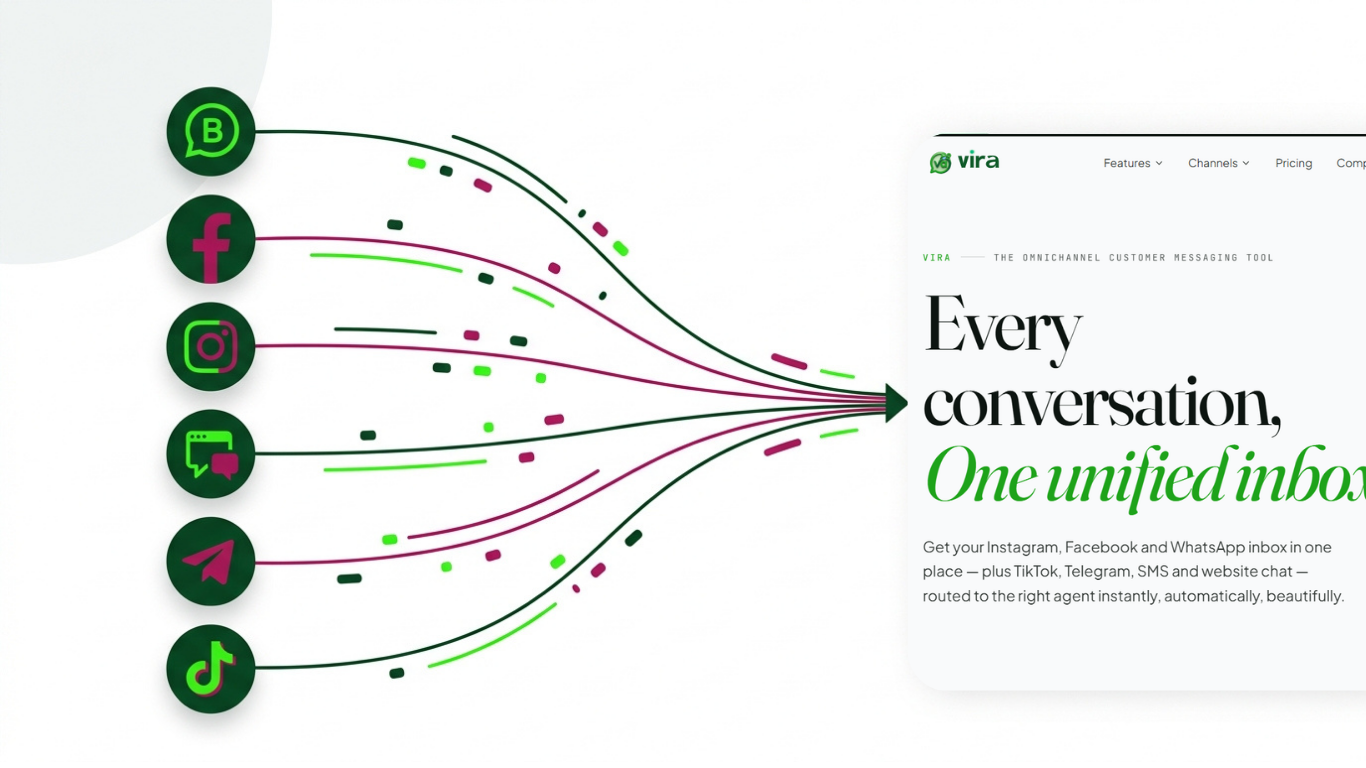
The fix is a unified inbox — a single screen that pulls in messages from all your social channels and puts them side by side. Instagram, Facebook Messenger, WhatsApp, your website chat, comments, form submissions, sometimes even email and SMS depending on the setup. It all lands in the same feed.
Think of it like a good email client, but for social. You don't log into ten different email providers to read your mail. You've got one inbox. Social leads should work the same way.
Here's what actually changes when you make this switch:
You see everything in one glance. A new lead comes in; it shows up. Doesn't matter if it came from a Facebook ad or a comment on a reel — it's in the queue with the rest.
The full history travels with the person. If a customer talked to you on Messenger last month and now they're in your WhatsApp, a decent platform ties those conversations together. Your team sees the whole story instead of starting cold every time.
Nobody has to remember which app to check. There's just the one. That alone removes a huge amount of daily friction, especially for staff who never signed up to be professional app-switchers.
I've watched businesses go from "we probably miss a third of our messages" to "we reply to everything within the hour" just by consolidating. The leads were always there. They were just hiding in plain sight across too many places.
Let your team claim leads — and watch what happens
Here's the part that gets underrated, and honestly, it's my favorite feature of running a shared inbox. When leads flow into one place, you can let your staff claim them.
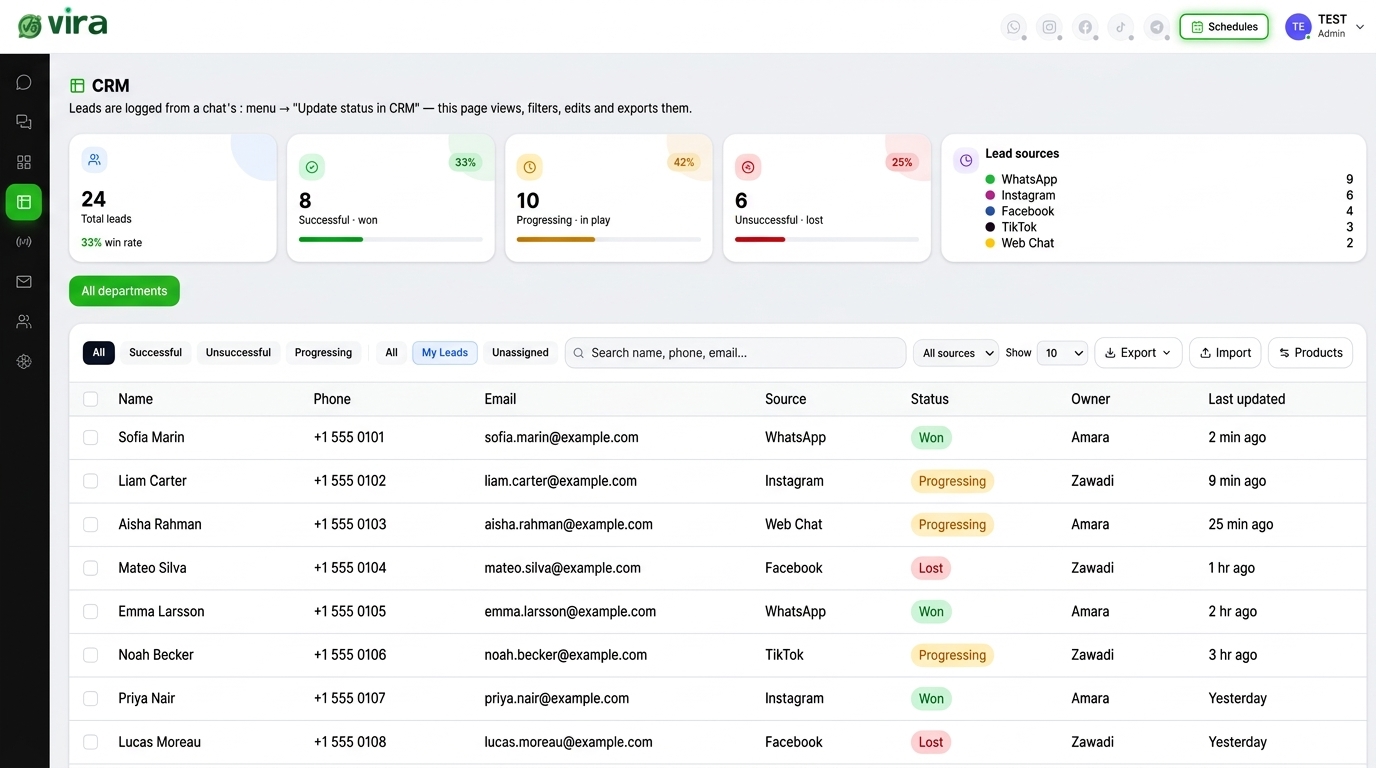
It works exactly how it sounds. A lead lands in the queue. Whoever's ready grabs it, and their name gets attached. Now that conversation is theirs to run — no confusion about who's handling it, no two people jumping on the same person, no lead sitting untouched because everyone assumed someone else had it.
That last one is the quiet killer in most teams. "I thought you were handling the Instagram ones." Sound familiar? Claiming makes ownership obvious.
But the more interesting thing that happens is competition. Healthy competition.
Why claiming turns into friendly rivalry
When leads are up for grabs, and everyone can see who's claiming what, your salespeople naturally start moving faster. Nobody wants to be the one who claimed two leads while the person next to them claimed twelve. It becomes a bit of a game — and games make people show up.
I saw this play out with a small home-services company that had four people on the phones. Before they went to a shared, claim-based inbox, leads got assigned by a manager who had to manually pass them out. Slow, and honestly a little political — the "good" leads always seemed to go to the same person.
Once they switched to open claiming, response times dropped by more than half in the first two weeks. Not because anyone gave a speech about it. The reps just started racing each other. Whoever was quickest to the desk in the morning cleaned up. And because everyone could see the board, the slower folks upped their game instead of coasting.
You can lean into this. Track a few simple numbers and make them visible:
How many leads each person claimed
How fast they responded after claiming
How many of those turned into actual sales
Put that on a screen in the office or share it in a weekly message. You don't need to turn it into a pressure cooker. Just making the results visible does most of the work, because people are wired to care where they stand.
A few things to get right
Open claiming is great, but it can go sideways if you set it up carelessly. A couple of guardrails keep it fair.
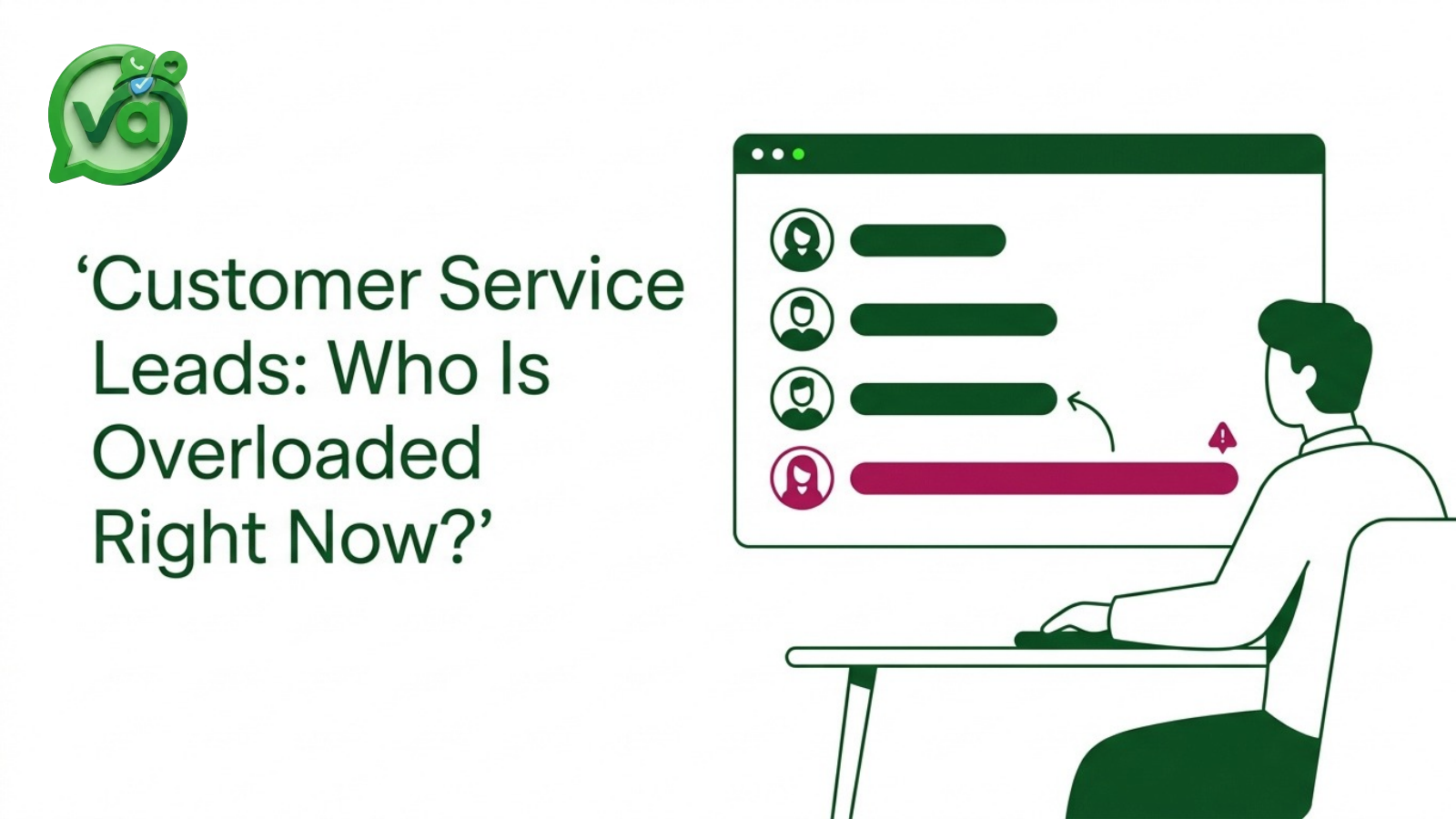
Cap how many leads one person can hold. Otherwise, your fastest rep claims everything at 8 a.m. and then can't actually work them all, and half your leads sit "claimed but ignored." A limit — say, no more than five open at once — forces people to close before they grab more.
Set a claim expiry. If someone claims a lead and doesn't respond within, say, ten minutes, it should drop back into the shared pool for someone else to grab. This stops leads from getting hoarded and forgotten.
Reward conversion, not just claim count. If you only celebrate who grabbed the most, you'll get a team of grabbers who don't close. What you actually want is people who claim smart and follow through. Weight your praise — and any bonuses — toward closed deals.
Get those three right and the competition stays productive instead of turning into a land grab.
What this looks like day to day
Let me paint the after picture, because it's genuinely different from the Monday morning I described up top.
You open one app. There's a clean queue of leads from every channel, oldest at the top. Two of your team are already online and claiming as they go — you see their names appear next to conversations in real time. The reel comment from twenty minutes ago? Already claimed and replied to. The WhatsApp inquiry from overnight? Someone grabbed it the moment they logged in.
You glance at the little leaderboard, see who's on a roll, and drop a quick "nice work" in the team chat. No manual assigning. No wondering what got missed. No customer waiting four hours for a reply that decides whether they buy from you or from the shop down the road.
That's not a fantasy setup. It's just what happens when you stop treating each social platform as its own island.
The bottom line
Your leads aren't the problem. Your leads are fine — you're probably generating more of them than you can currently handle well. The problem is that they arrive through a dozen doors and you're trying to guard all of them at once.
Bring those doors into one hallway. Give your team the ability to claim what comes through, add a little visible competition, and put a couple of fair rules around it. You'll respond faster, lose fewer people to slow replies, and — this part surprises everyone — your team will actually enjoy the chase.
Start by consolidating just your two busiest channels this week. Once you feel what one inbox does to your response time, you won't want to go back to the tabs.