
What a Disorganized Customer Communication Platform Costs?
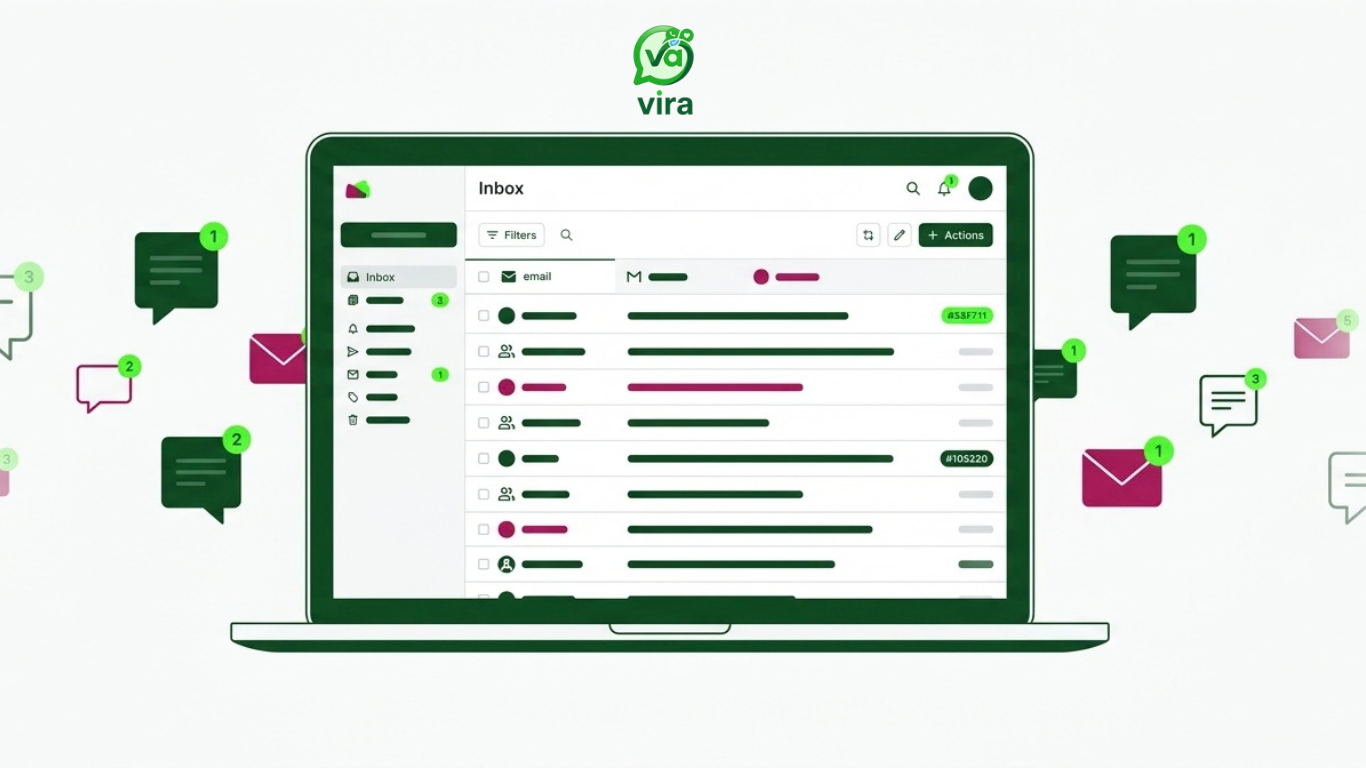
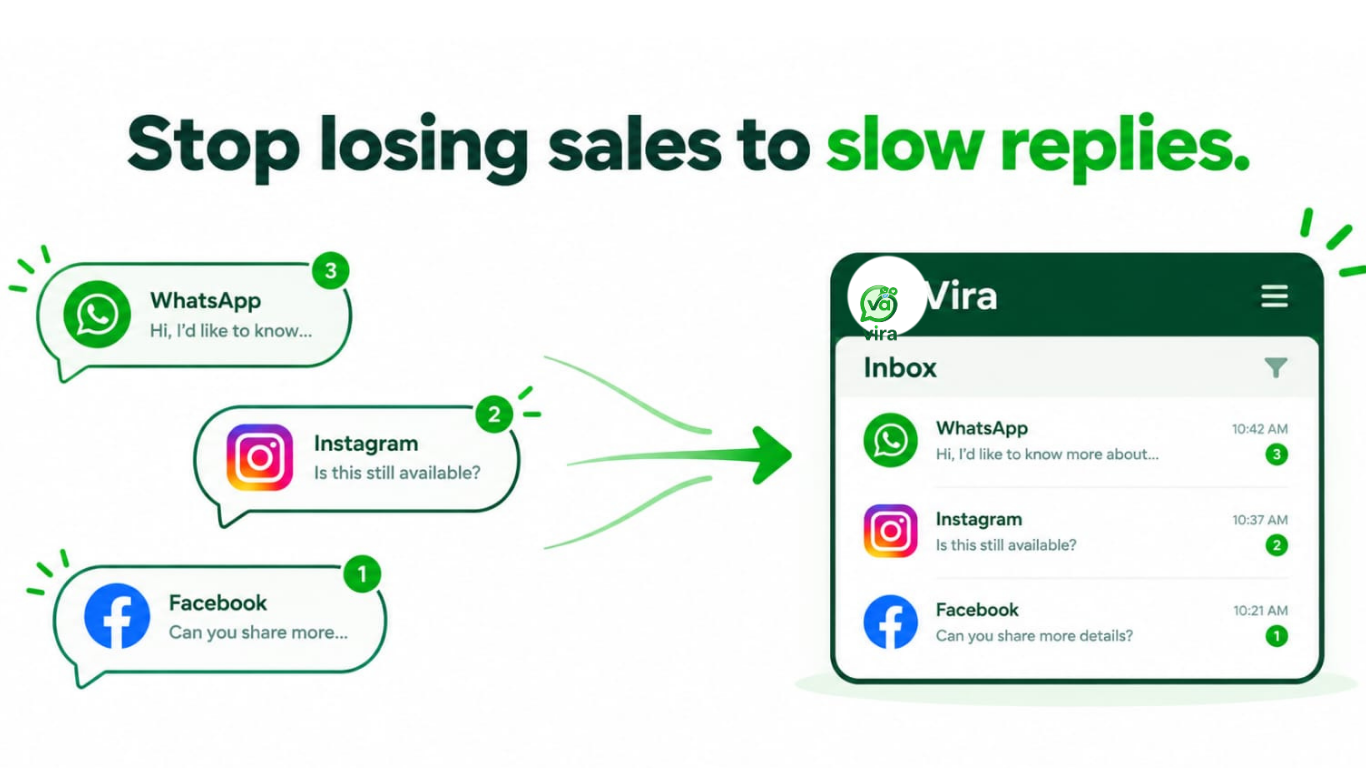
A customer sends a question about their order at 9:14 in the morning. They message on Instagram because that's where they found you. Nobody on your team lives in the Instagram inbox that day, so it sits. By the time someone spots it two hours later, the customer has already messaged a competitor who replied in four minutes. You didn't lose that sale to price or product. You lost it to a message that landed on the wrong app.
That's the quiet tax of a disorganized customer communication platform. It rarely shows up as one dramatic failure. It bleeds out slowly, one missed WhatsApp thread and one forgotten Facebook comment at a time, until you're wondering why your response times look fine on paper but customers keep slipping away.
What a Fragmented Customer Communication Platform Actually Costs You
Let's name the costs, because "we should be more organized" doesn't capture the real damage.
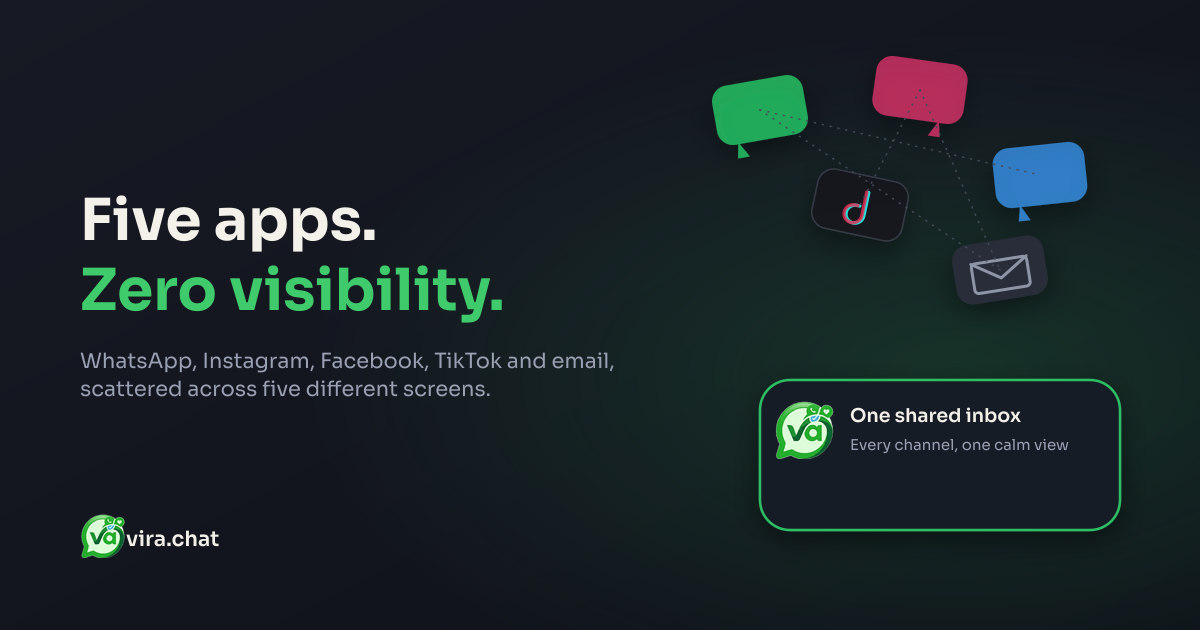
App-switching eats your day. When your team is bouncing between WhatsApp, Instagram, Facebook, TikTok, and website chat, every switch carries a small mental reset. Multiply that by a rep checking five apps a few dozen times a shift and you've lost real productive hours to nothing but tab juggling. That time isn't going toward closing deals or solving problems. It's going toward finding out whether there's anything to solve.
Nobody knows who owns what. Two reps open the same Instagram DM and both reply, so the customer gets contradicting answers. Or nobody opens it, because each person assumes the other has it. Without clear ownership over each conversation, "everyone's job" quietly becomes "no one's job."
Customers repeat themselves. A lead asks a question on Facebook Monday, then follows up on WhatsApp Wednesday. To your team those look like two strangers. So the customer explains their situation again, gets asked for their order number again, and starts to feel like they're talking to a company that doesn't remember them. That friction is where trust leaks out.
Time zones make it worse. If your audience is global and your messages are scattered, a query that arrives while your team sleeps might not surface until someone happens to open that specific app. Meanwhile research on response time has been consistent for years: speed to first reply is one of the strongest predictors of whether a lead converts. A Harvard Business Review study on lead response times found companies that responded within an hour were far more likely to qualify a lead than those that waited even a little longer. Scattered channels almost guarantee you wait longer.
None of this is a character flaw in your team. That's the part worth sitting with.
It's a Tooling Problem, Not a Discipline Problem
The instinct when messages fall through the cracks is to tighten the rules. "Everyone check all the apps every 30 minutes." "Assign someone to Instagram this week." That works for about a month, then reality wins.
You cannot discipline your way out of a broken setup. If your customer messaging is spread across five separate inboxes with no shared view, the failures aren't caused by lazy people. They're caused by asking people to manually coordinate something software should be handling. Expecting flawless human vigilance across multi-channel communication is the actual mistake.
Good tooling makes the right behavior the easy behavior. That's the whole game.
What Omnichannel Communication Looks Like When It Works
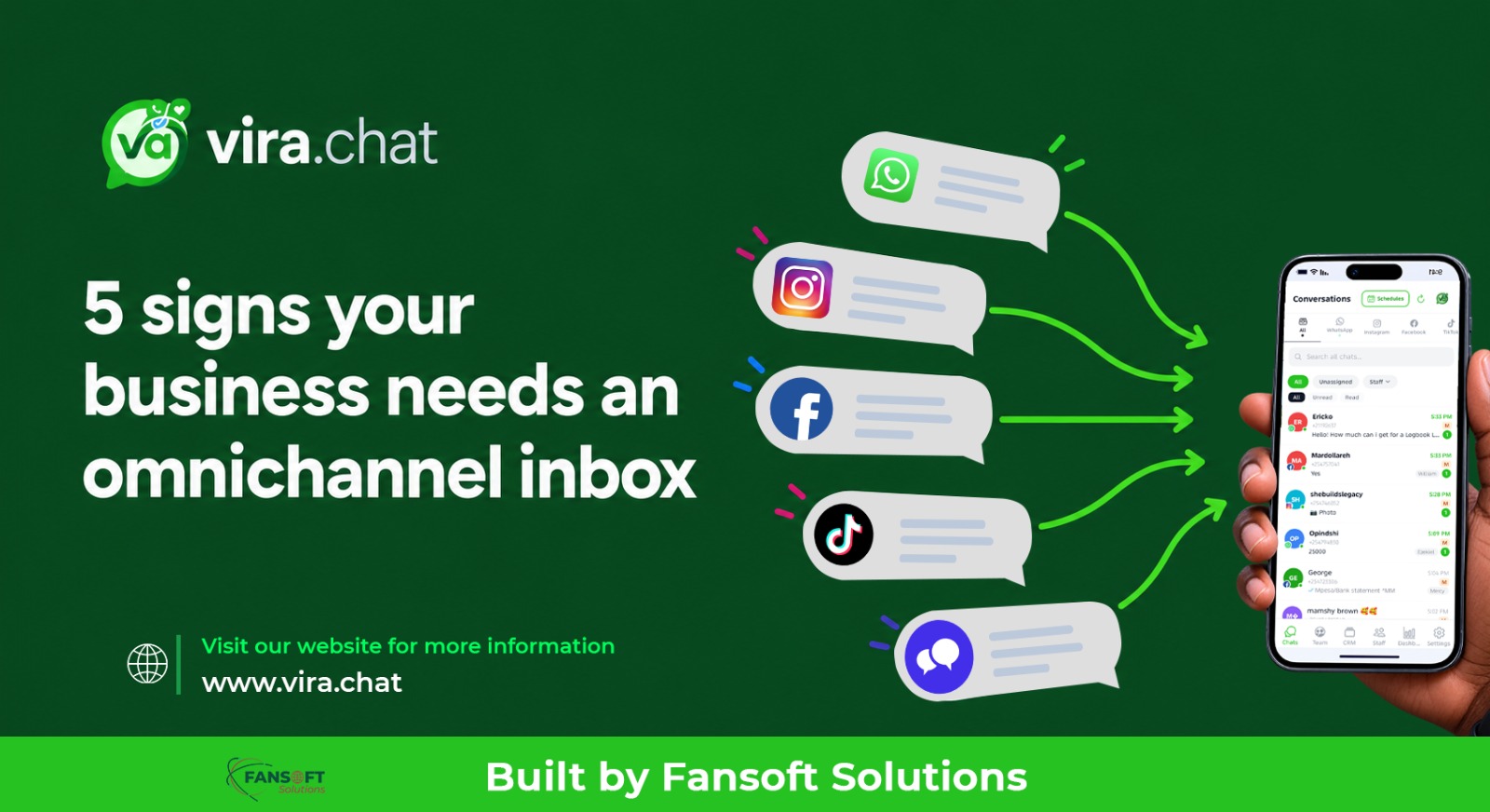
Picture every conversation from every channel landing in one place. WhatsApp, Instagram, Facebook, TikTok, and your website chat all flowing into a single unified inbox where any rep can see the full history, who's handling it, and what's still open. That's the core of a real omnichannel communication setup: not five apps you check faster, but one view you never have to leave.
Once messages live together, the question becomes how to route customer messages automatically to the right person instead of hoping someone claims each one. That's where routing does the heavy lifting. A few approaches worth knowing:
Round Robin spreads incoming conversations evenly across your team, so no one gets buried while someone else sits idle.
Manual lets a lead or supervisor assign threads deliberately when a specific person should handle a specific customer.
Keyword routing reads the message and sends it where it belongs, so "refund" goes to billing and "pricing" goes to sales without a human triaging first.
Keyword + Round Robin combines both: match the topic, then balance it across the right team.
That's how you stop losing leads across social media channels, and how you finally answer the question of how to manage WhatsApp, Instagram, and Facebook messages in one place without asking anyone to be a human switchboard. The guesswork about who does what simply goes away.
For sales teams, this is the difference between a lead getting a reply in three minutes versus three hours. For support, it's the difference between a customer feeling remembered and a customer feeling processed. Solid business messaging isn't about sending more, it's about making sure nothing sent to you goes unanswered.
What Changes When Nothing Falls Through the Cracks
The payoff is boring in the best way. Replies go out faster because there's no scavenger hunt. Reps stop stepping on each other because ownership is visible. Customers stop repeating themselves because history follows them across channels. And you stop discovering lost revenue three weeks after the message that could have closed it.
A well built customer communication platform doesn't just tidy your inboxes. It quietly protects every lead and every relationship you already worked to earn. Pulling your customer messaging into one routed, unified inbox is exactly the problem worth solving next. You can read more on the customer communication platform blog.
Contact us for more info or to book a demo: +254 724 998 899 | @fansoftsolutions