
October 8, 2026 · CHARITY
Customer Messaging: A Gift Clients Will Actually Use
Sweets and merchandise are gone in a week. Easy customer messaging lasts all year. Here is what to give clients this Customer Service Week.
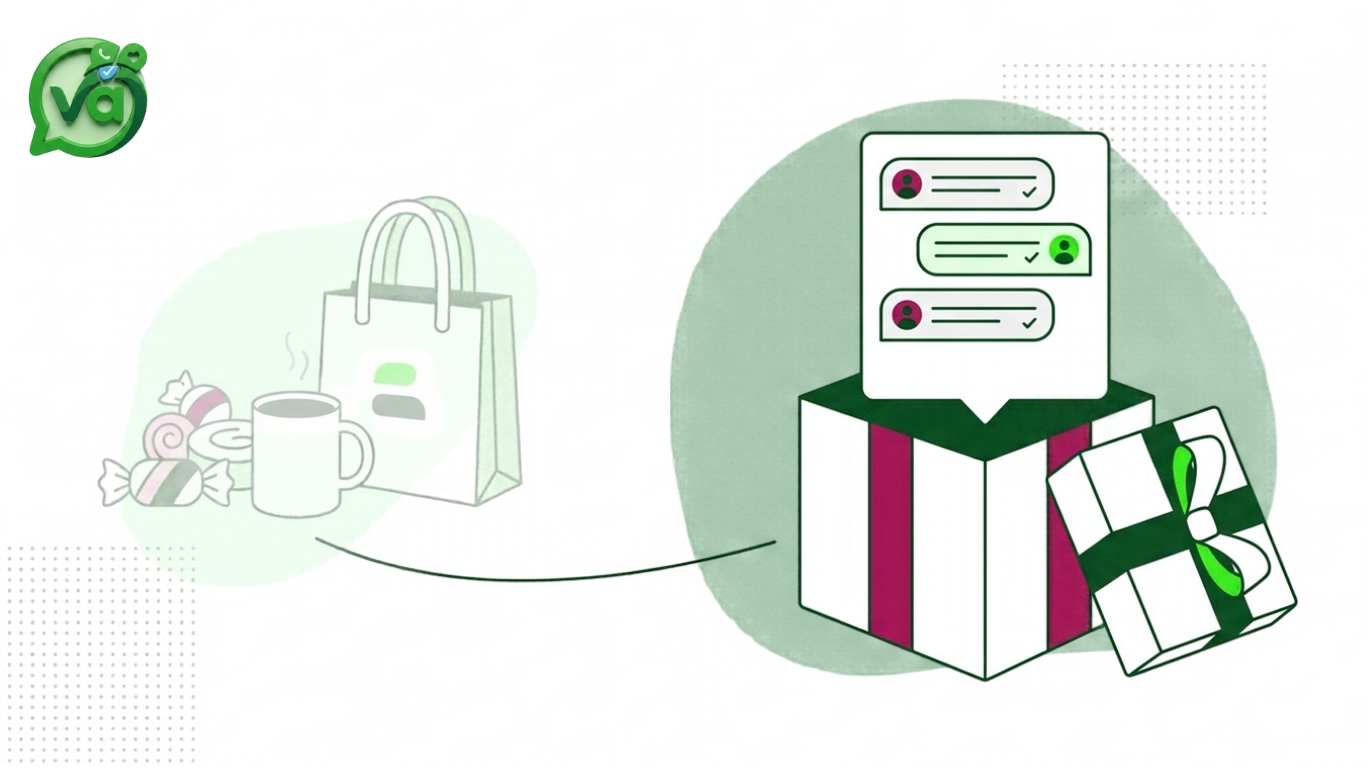
Every year around the same week, a familiar ritual kicks in. Someone orders branded mugs. There's a box of chocolates on the reception desk. Maybe a run of tote bags with the logo printed a little too large. It's a kind gesture, and clients smile politely when they get it. Then the chocolates are gone by Thursday, the mug ends up at the back of a cupboard, and the tote bag becomes a bag for other bags.
Customer Service Week deserves better than that. The best gift you can give a client isn't something they'll forget in three days. It's making it genuinely easy for them to reach you, and customer messaging that works without friction is the kind of present people actually notice and remember.
Why customer messaging is the gift clients remember
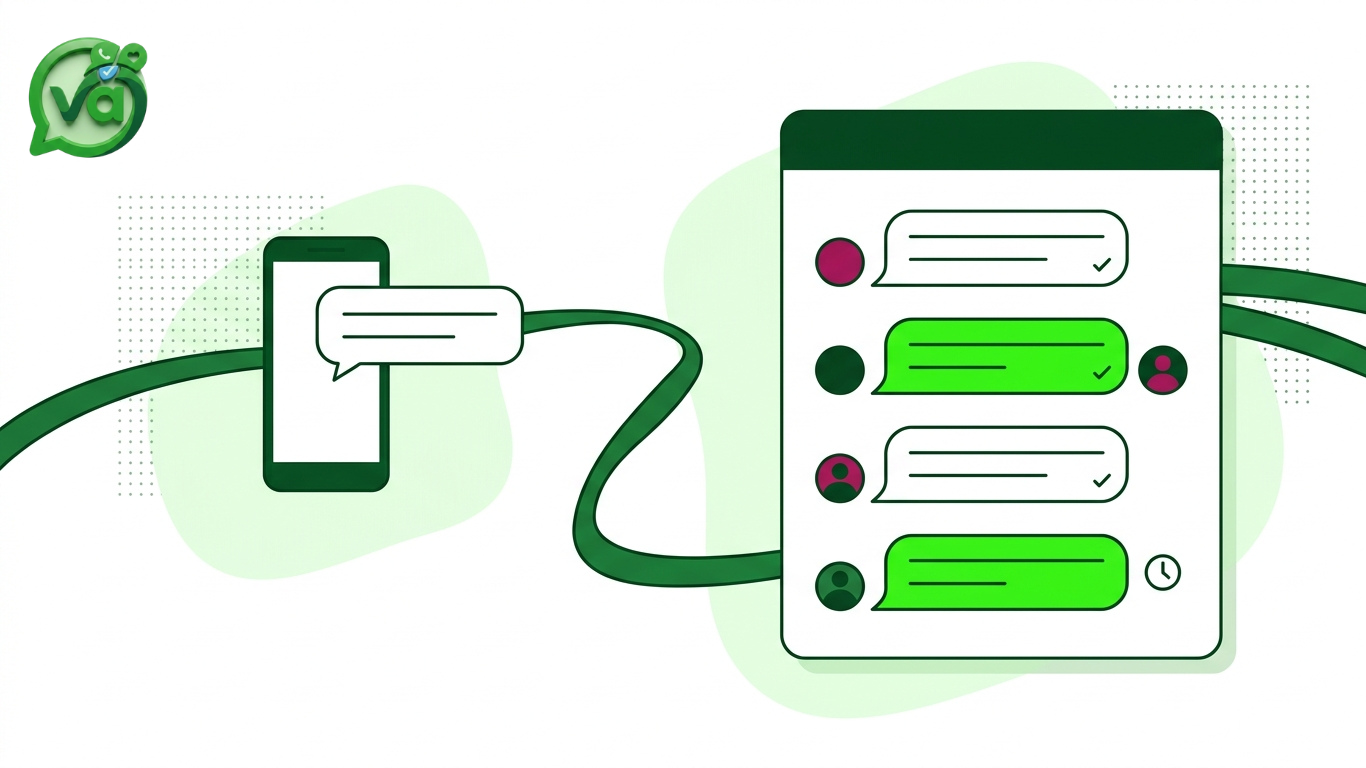
Think about the last time you tried to contact a company and it went well. You sent a message, someone replied quickly, and the person who answered already knew what you were talking about. You didn't have to repeat yourself. You didn't get bounced between three email addresses. That feeling, the quiet relief of being handled properly, lasts far longer than any mug.
The folks over at the National Customer Service Week initiative describe the week as a chance to recognize the real impact good service has on people and businesses. I'd argue the clearest way to recognize that impact is to improve the actual experience, not just celebrate it with snacks.
Here's the thing about a good interaction: it doesn't cost the client anything, it doesn't clutter their desk, and it builds trust every single time they use it. That's a gift that keeps giving, long after the week is over.
What easy customer messaging looks like for a client
Put yourself in your client's shoes for a second. What do they actually want when they need help?
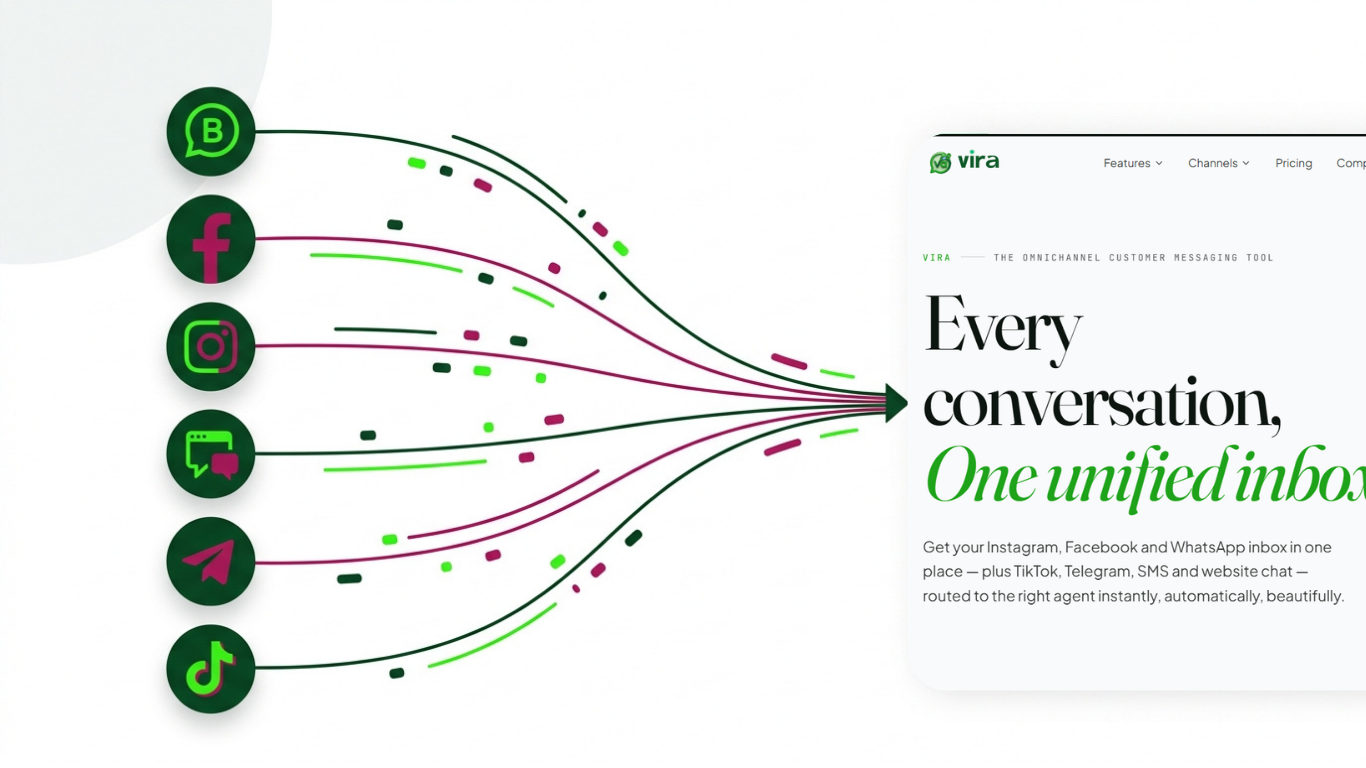
They want one place to write. Not a hunt for the "right" channel, not guessing whether to email or use the contact form or message you on social. When a client can reach you wherever they already are and know it'll land in the right spot, half the stress disappears.
They want a fast first reply. Not necessarily the full answer in ninety seconds, but some sign that a human saw their message and it's being handled. Silence is what makes people anxious. A quick "Got it, looking into this now" does more for trust than most people realize.
And they want a conversation that doesn't vanish. Nothing feels worse than explaining your whole situation to one person, then getting handed to someone else who asks you to start over. When the thread stays intact and whoever picks it up can see the full history, the client feels looked after instead of processed.
None of that requires fancy software gymnastics. It just requires the mess behind the scenes to be sorted out so the client never sees it.
What your team needs behind the scenes
Here's where the real work lives. A smooth experience for the client depends almost entirely on what your team can see and do on their side.
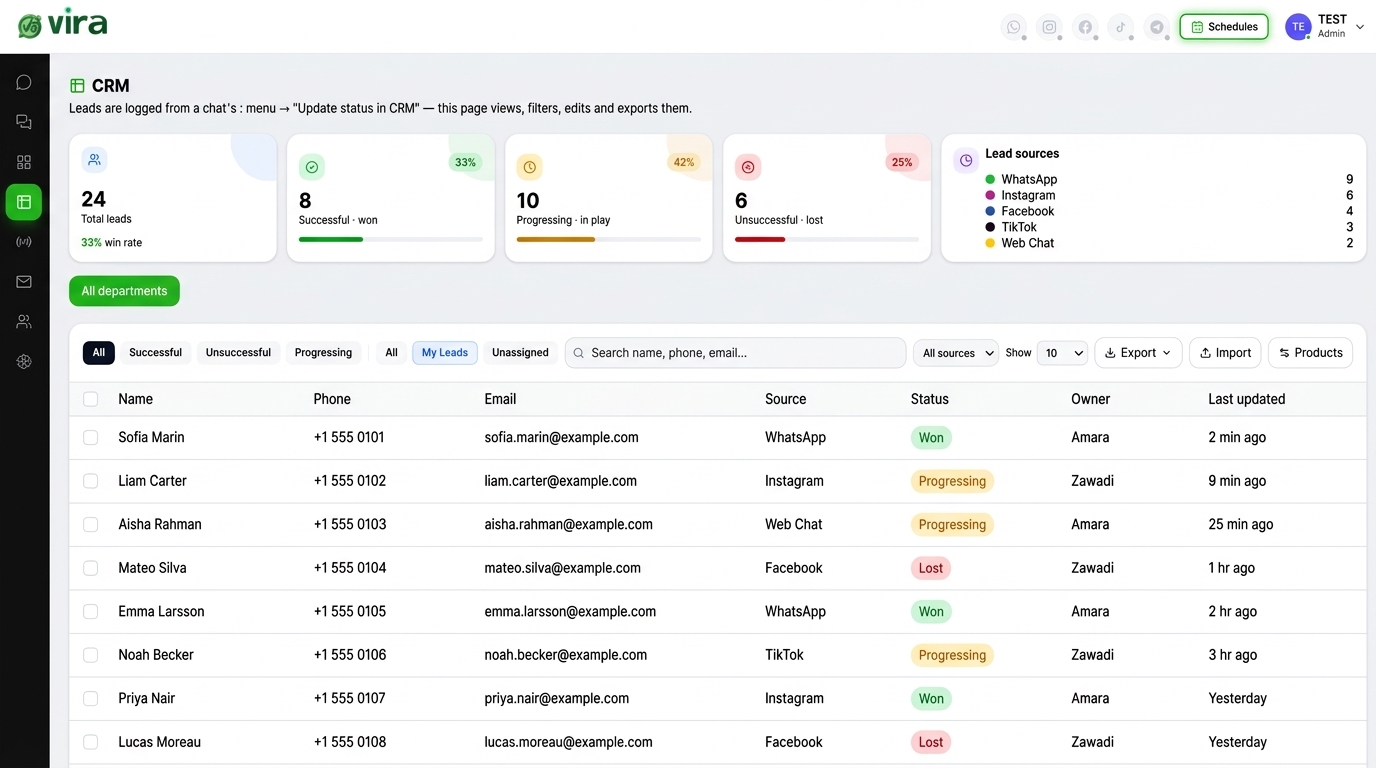
The backbone of all this is a shared queue. When messages from every channel flow into one unified inbox, nobody's stuck wondering whether a question got answered because it was sitting unread in someone's personal email. Everyone can see what's waiting, what's been replied to, and what's still open. This matters more for small teams than big ones, honestly, because when you've only got two or three people, a single dropped message is a bigger percentage of your reputation.
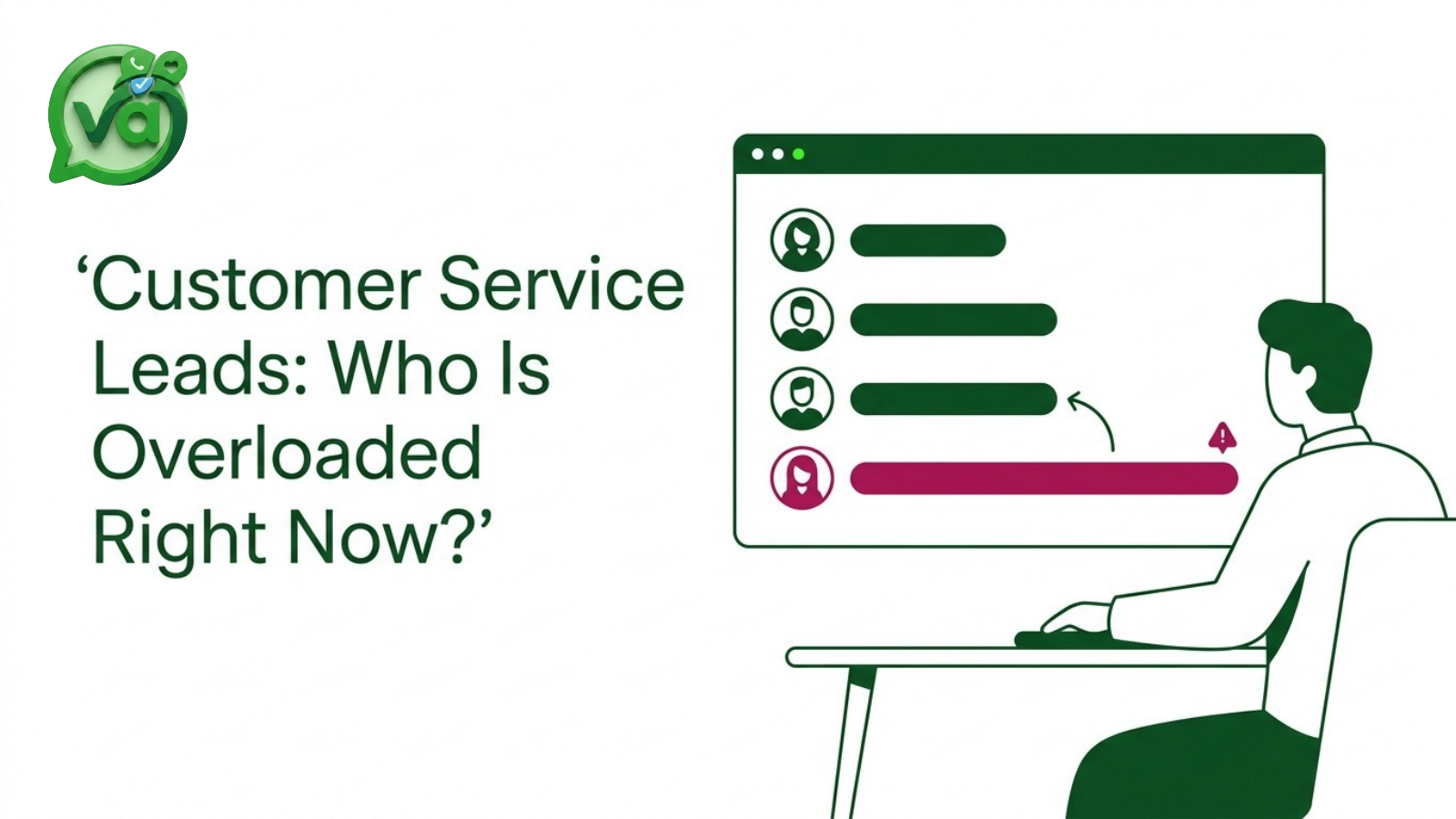
You also need a clear owner for each conversation. One of the quietest causes of poor service is the assumption that someone else has already replied. Two people assume the other is on it, and the client waits. When it's obvious at a glance who owns each customer chat, that confusion goes away. Ownership isn't about blame, it's about making sure nothing slips through because everyone thought it was covered.
And you need visible response times. If your team can see how long a client has been waiting, they'll naturally prioritize the ones who've been hanging on longest. You can't improve what you can't see. A simple timer next to each open thread changes behavior without anyone needing a lecture about it.
I've watched teams try to patch all this together with a group email address and a spreadsheet. It works until it doesn't, usually right when things get busy. Scattered customer messages across phones, inboxes, and social accounts are the enemy of good service, and no amount of goodwill makes up for a message that nobody saw.
Getting this right is less about tools and more about agreement. The tools make it easier, but a team that decides "every message gets owned and nothing goes unseen" is already most of the way there. A proper customer communication platform just removes the manual effort of keeping that promise.
A Customer Service Week checklist for any team
If you want to do something this week that actually sticks, skip the merchandise order and run through this instead. It'll take an afternoon and the payoff lasts all year.
Count your channels. List every way a client can reach you right now. Email, phone, website chat, social messages, that one WhatsApp number someone set up two years ago. You can't tidy what you haven't named.
Pull them into one view. Pick the channels that matter and route them into a single unified inbox so your team stops tab-hopping. If you're already using a customer communication platform, make sure every channel is actually connected and not just half set up.
Set a first-reply target. Agree on how fast a client should hear something back, even if it's just acknowledgment. Fifteen minutes during work hours is a solid, realistic starting point for most small teams.
Name an owner rule. Decide how a conversation gets claimed and how handovers happen so nothing drifts. Write it down somewhere everyone sees it.
Check your quiet gaps. Look at when messages come in versus when your team is actually around. Weekends and evenings are where silent clients slip away. Even a clear "we're back at 9" message beats nothing.
Ask one client. Pick a client you trust and ask them honestly how easy it is to reach you. Their answer will teach you more than any internal review.
Run that checklist and you've given your clients something real: the confidence that when they reach out, they'll be heard and helped. That beats a chocolate every time.
Good customer service isn't a week on the calendar. It's the hundred small moments where someone needed you and you were easy to find. Customer Service Week is just a nudge to make those moments better, and better customer messaging is the most practical gift you can hand over.
If you'd like a closer look at how a shared, organized setup works in practice, you can see what we're building at vira.chat.
How are you thanking your clients this Customer Service Week? Tell us below.