
September 28, 2026 · CHARITY
Why a Unified Inbox Fixes Scattered Customer Messages
Scattered customer messages cost replies and leads. This is how a unified inbox puts every channel in one view so no conversation gets dropped.
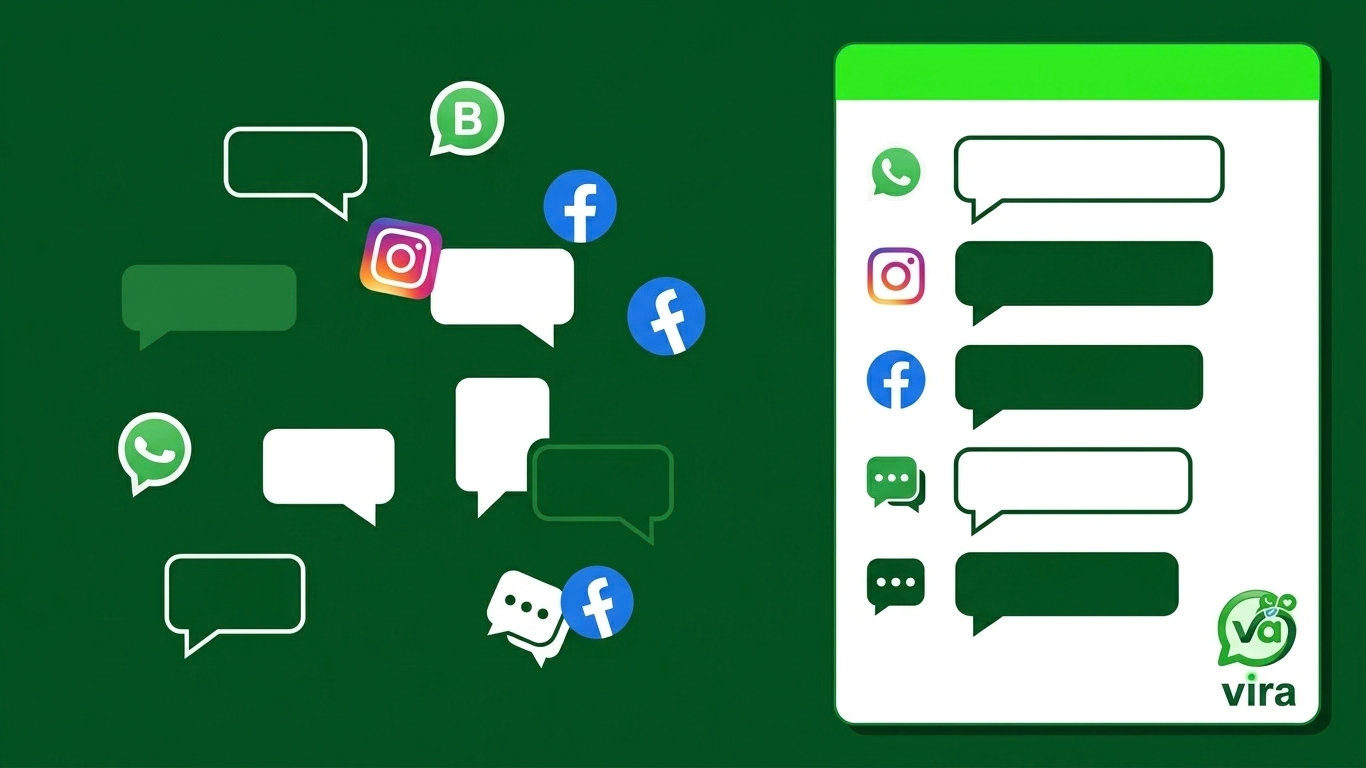
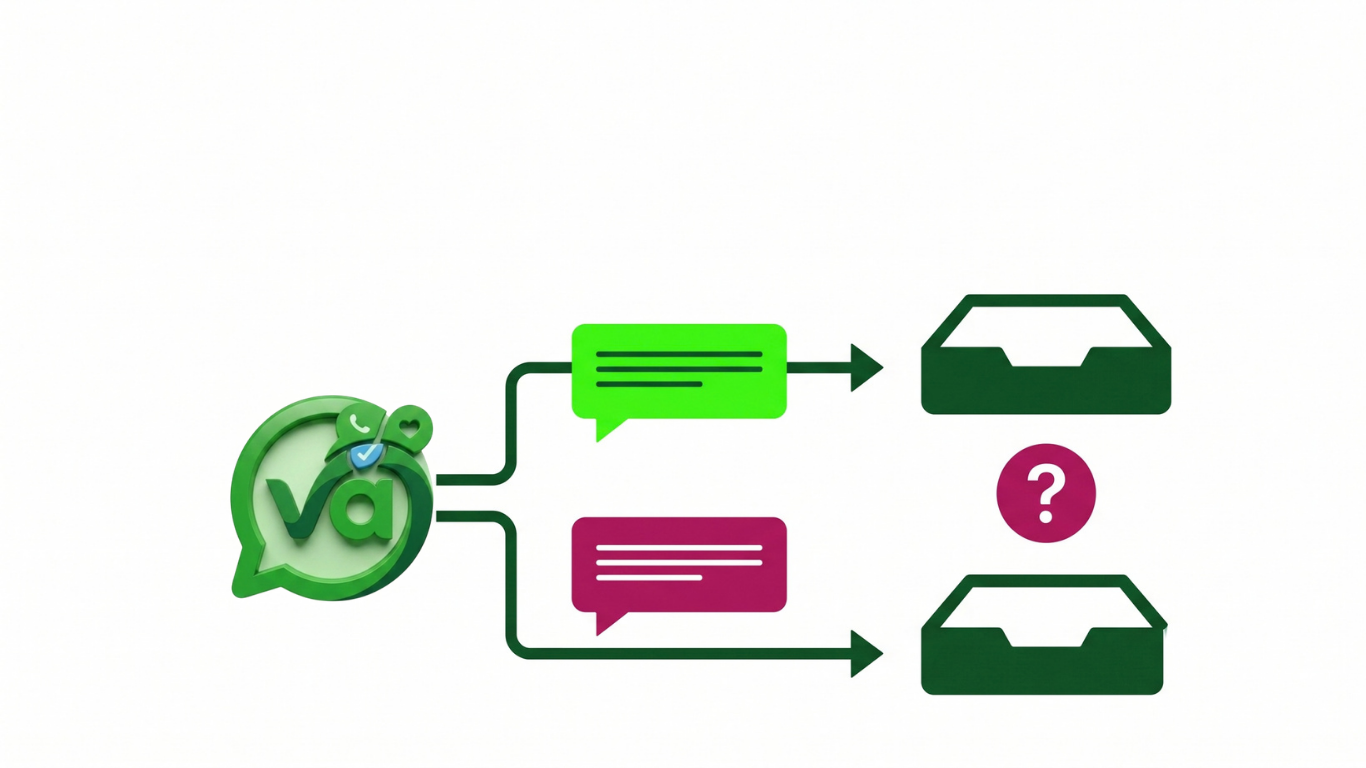
A customer sends you a question on WhatsApp Monday morning. When nobody answers within an hour, they follow up on Instagram. By Tuesday they have emailed too, slightly annoyed now, and three different people on your team each hold one piece of the story. Without a unified inbox, this is not a rare glitch. It is the default way most growing businesses handle customer messaging, and it quietly costs you sales every week.
The problem is not that your team is careless. The problem is that the conversation is split across tools that do not talk to each other. Each person answers what they can see, which is only a third of what actually happened.
What scattered customer messaging actually costs you
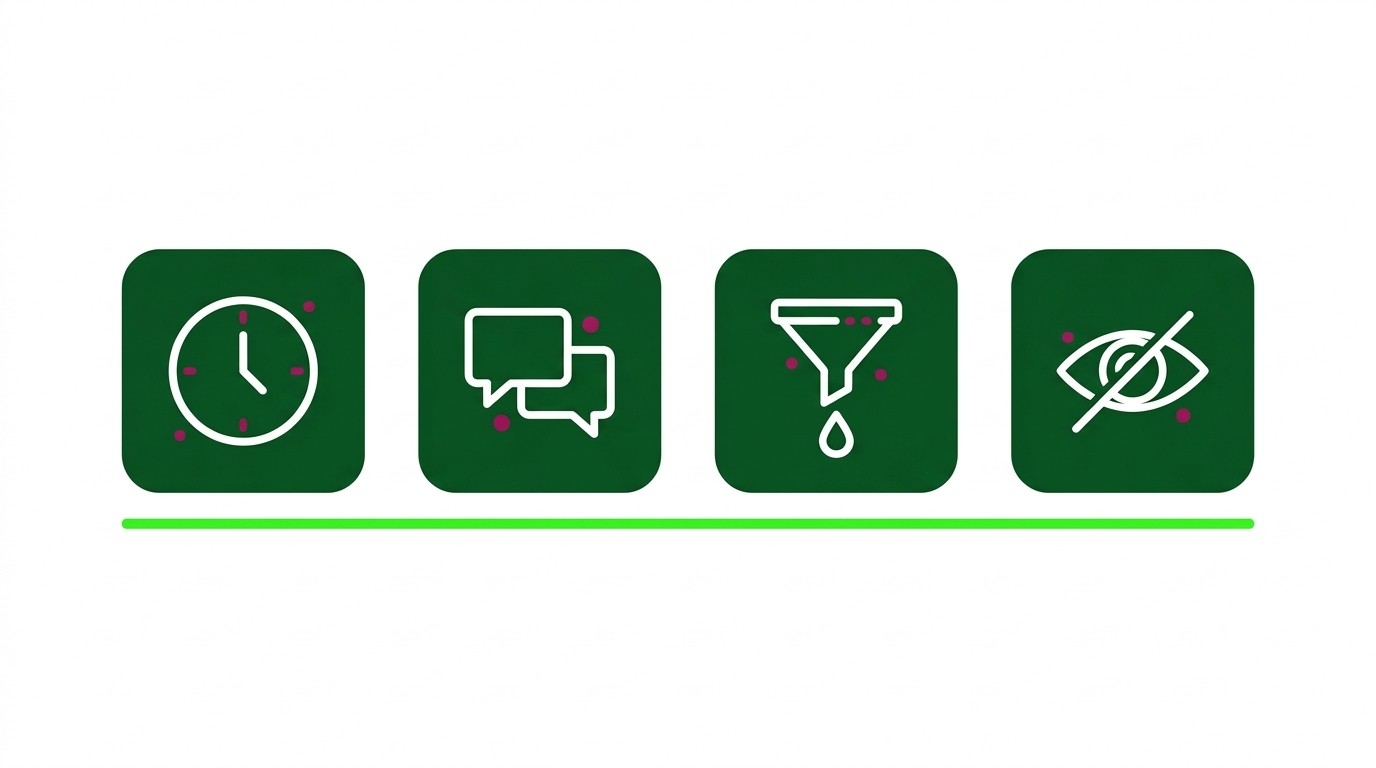
The damage shows up in ways that are easy to miss because no single mistake looks fatal. Added together, they are.
The first cost is speed. When a message lands in an app that nobody is watching at that moment, the clock keeps running. Harvard Business Review's research on lead response time found that companies that reach out to a new lead within an hour are far more likely to qualify that lead than those who wait even a few hours. You can read the study, The Short Life of Online Sales Leads, for the full numbers. The takeaway is blunt: a slow first reply often means no sale at all.
The second cost is duplicate work. Two people answer the same customer because neither knew the other had already replied. The customer gets two slightly different answers, sometimes contradictory, and now trusts you a little less.
The third cost is the dropped lead. A message arrives on a channel someone checks once a day, or once a week, and by the time anyone sees it the buyer has moved on. Nobody decided to ignore that person. There was just no shared place where the message could not be missed.
The fourth cost is the one that underlies all the others: there is no shared view of the customer. When the history lives in five separate apps, nobody can see that this person asked about shipping last week, bought once in March, and is now asking about a refund. Every conversation starts from zero.
Why more apps do not fix a communication problem
The instinct, when messages pile up, is to add another tool. A dedicated Instagram person here, a WhatsApp Business account there, maybe a chat widget on the site. It feels like progress because each channel now has an owner.
It usually makes things worse.
Each new channel you open without connecting it to the others adds another silo. You now have more places a message can hide, more logins to remember, and more chances for two staff members to reply to the same person across two apps. Adding channels is not the same as improving omnichannel communication. Real omnichannel communication means the channels feed into one place, so the medium the customer chose does not fracture the conversation.
Think of it this way. A customer does not experience five channels. They experience one relationship with your business. They remember what they told you, and they expect you to remember too, regardless of whether they typed it into email or a chat window. When your internal setup treats each channel as a separate world, you break that expectation every single day.
More apps solve a capacity problem. They do not solve a coordination problem. And scattered messages are a coordination problem.
How a unified inbox changes the daily workflow
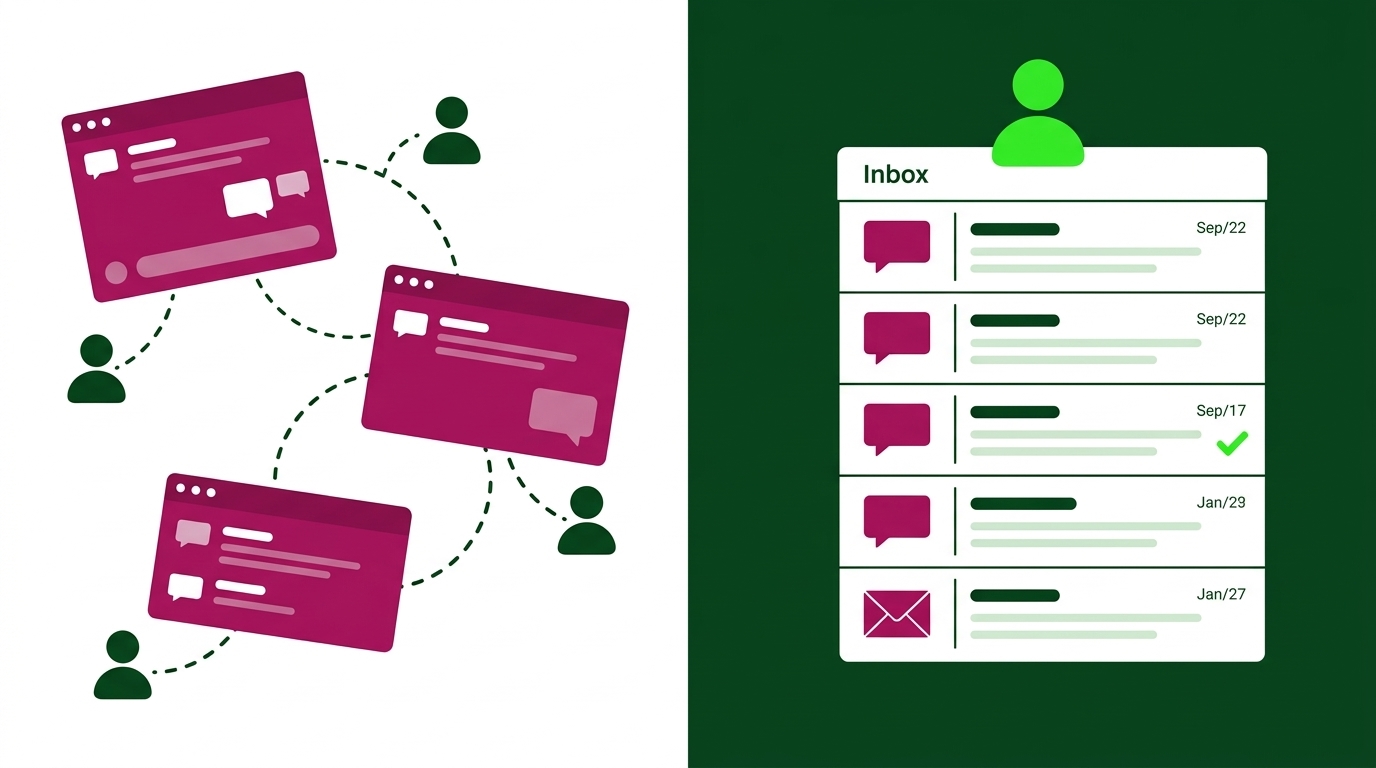
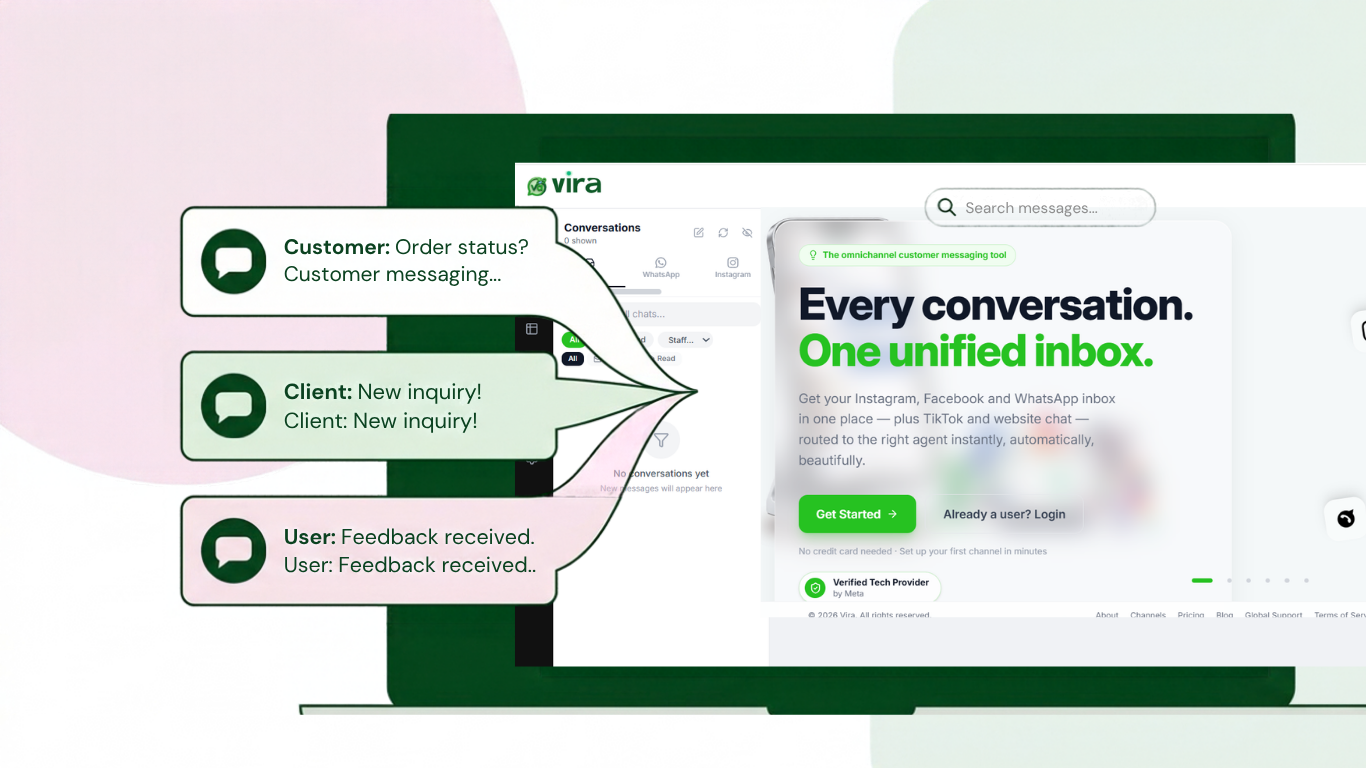
A unified inbox does one deceptively simple thing: it pulls every channel into a single view, so the whole team works from the same screen. That one change fixes most of the failures above, because the failures came from fragmentation, not from a lack of effort.
Here is what the day actually looks like once business messaging runs through one place.
Every incoming message, whether from WhatsApp, Instagram, Facebook, email, or a website chat, lands in the same queue. Nothing sits unwatched in an app someone forgot to open. First replies get faster because the message is visible the moment it arrives, to whoever is on duty.
Each conversation has a clear owner. When someone picks up a chat, the rest of the team can see it is handled. No more two people typing to the same customer, no more silence because everyone assumed someone else had it.
The full history travels with the customer. If a buyer asked about delivery on Instagram in the morning and emails a follow-up that afternoon, both threads sit together. Whoever answers can see the whole picture and respond like a person who was paying attention, because now they can be.
Handovers stop leaking information. When one staff member goes offline and another takes over, the incoming person reads the thread and continues. The customer never has to repeat themselves, which is one of the fastest ways to lose someone's patience.
The practical result is calmer days and better customer communication. Fewer things fall through, replies go out sooner, and your team spends less energy just trying to figure out what is going on.
What to check in your own customer communication this week
You do not need new software to see whether you have this problem. You need an honest look at how messages move through your business right now. Run through this quick self-audit:
Count your channels. List every place a customer can message you. Most businesses find more than they expected once they count WhatsApp, Instagram, Facebook, email, and site chat separately.
Ask who watches each one. For every channel, name the person responsible and how often they actually check it. Any channel without a clear, frequent owner is a hole leads fall into.
Time a real first reply. Pick five recent conversations and measure how long the customer waited for the first response. Compare that to the one-hour window that keeps leads warm.
Look for a repeat customer's history. Try to reconstruct a single customer's full conversation across every channel they used. If it takes more than a minute, or you cannot do it at all, you have no shared view.
Check for double replies. Ask your team whether two people have ever answered the same customer. If the answer is yes, or nobody is sure, that is a coordination gap.
If most of those checks made you wince, the issue is not your people. It is that your multi-channel communication has no single home. That is exactly what a unified inbox is built to fix.
Bringing every channel into a unified inbox for your business turns scattered threads into one clear conversation, so the customer who writes on three channels still feels like they are talking to one attentive team.
Save this checklist for your next team review, and ask a simple question out loud: how does your team handle a customer who writes on WhatsApp, then Instagram, then email? The answer tells you everything about whether your customer messaging is holding together or quietly leaking sales.