
September 22, 2026 · CHARITY
Unified Inbox Software: Why Your Paid Leads Are Going Cold
Ads bring leads in through Facebook, Instagram, and WhatsApp. Without unified inbox software, replies get missed, and paid-for leads go cold.
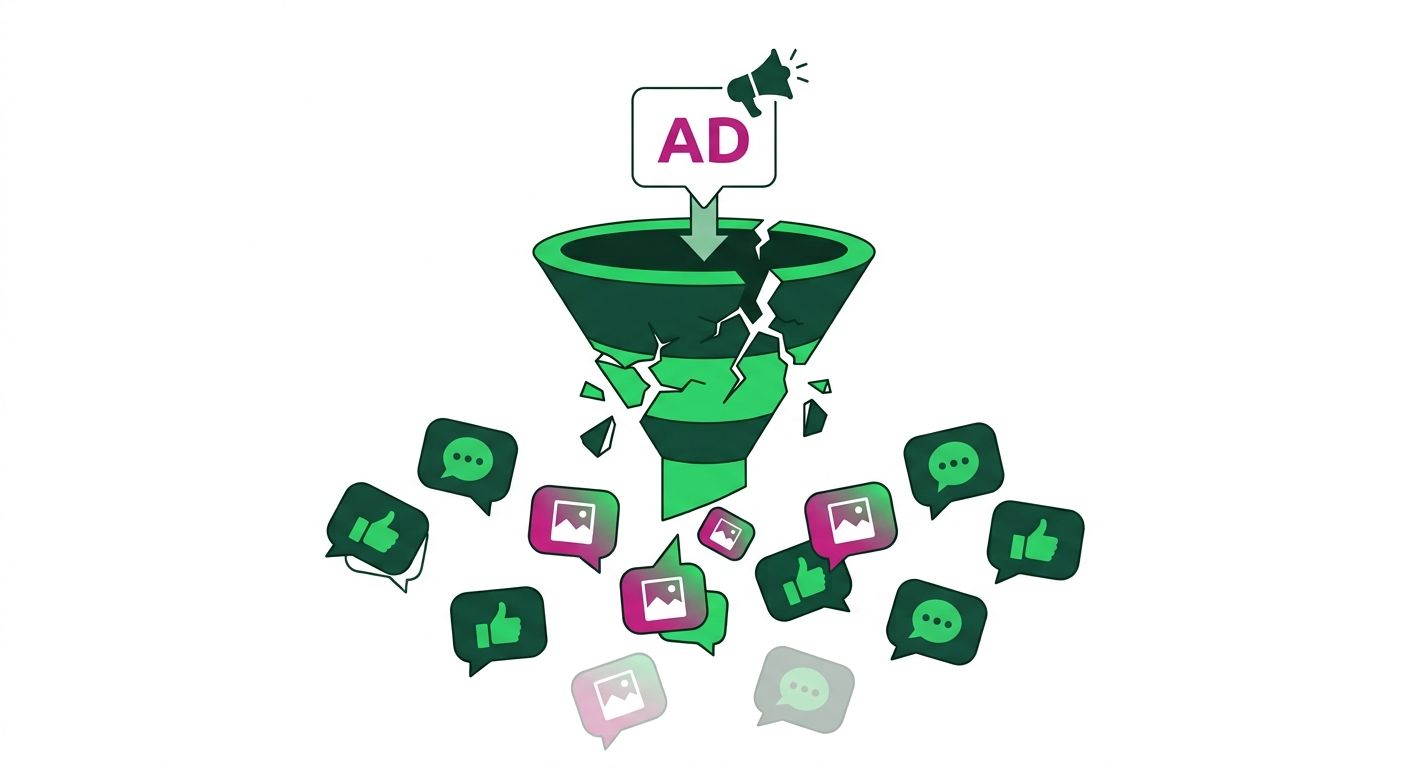
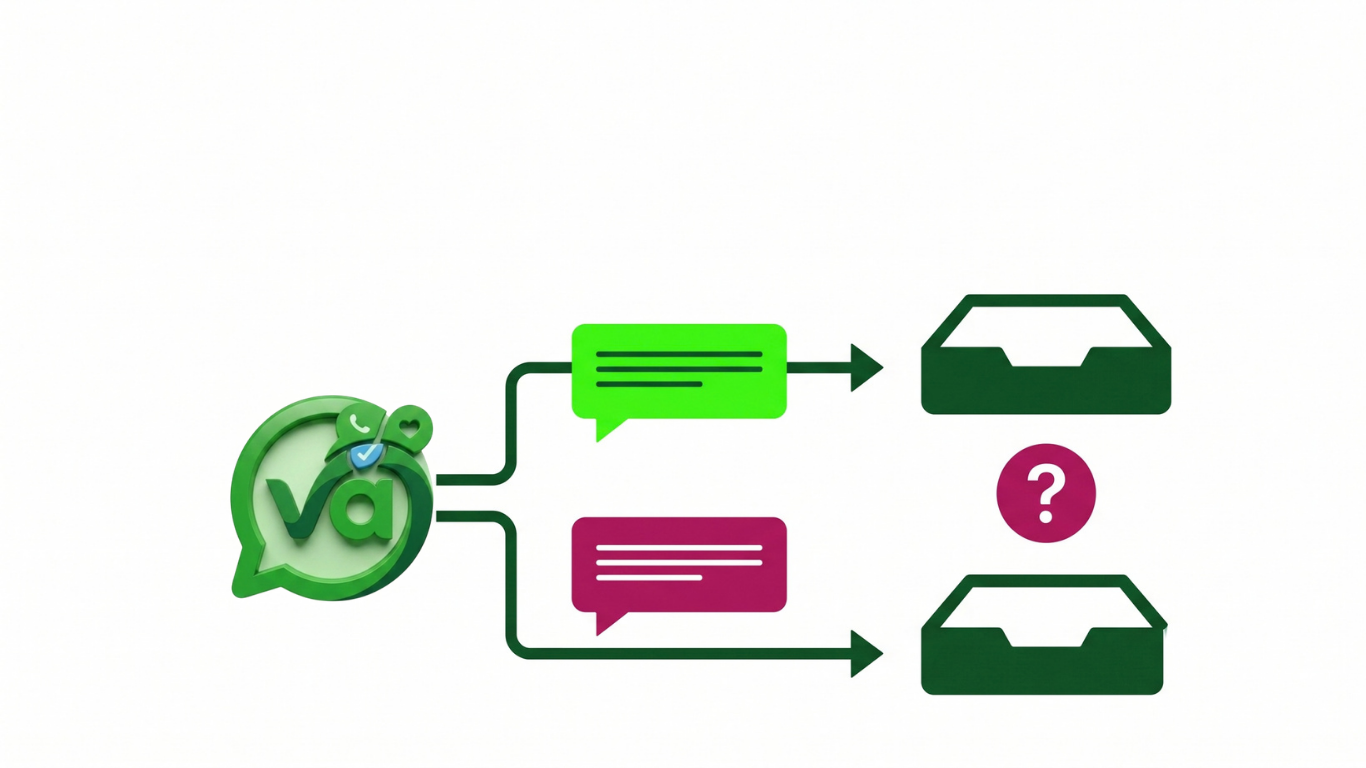
A restaurant runs a Friday AD. The ad performs well, forty people message asking about table availability for the weekend. By Monday, eleven of them have booked somewhere else. Not because the food was bad. Because a WhatsApp reply came six hours late, an Instagram DM never got seen, and two Facebook messages got answered twice by different staff who both assumed the other had it covered. The ad worked. The follow-up didn't. And this is where manual, scattered inbox management quietly drains the return on every ad you run, because unified inbox software wasn't in place to catch the leads the moment they arrived.
This is not a staffing problem. You can hire more people and still lose bookings. It's a visibility problem. When replies live in three separate apps on three separate screens, nobody has a full picture of who asked what, when, or whether anyone answered. The lead didn't go cold because your team is lazy. It went cold because nobody could see it in time.
Why Manual Multichannel Replies Lose You Sales
Think about what actually happens when a paid campaign runs across Facebook, Instagram, and WhatsApp at once. Each platform has its own app, its own notification style, its own login. A single person cannot watch all three at the peak moment a promotion goes live, which is exactly when the messages flood in.
Three things break down almost immediately:
No shared visibility. One staffer is deep in WhatsApp while Instagram DMs pile up unread. There's no shared queue, so nobody knows the full workload until it's already too big.
Duplicated and missed messages. Two people reply to the same person, which looks disorganised, while a genuinely hot lead in another channel sits untouched. Both outcomes cost you.
No single source of truth. When you ask "how many of yesterday's ad leads did we actually respond to?", nobody can answer with a number. The data is scattered across apps that don't talk to each other.
Here's the part that stings. You already paid for that lead. The ad spend is gone the second someone clicks and messages you. So a delayed or missed reply isn't a neutral event, it's money you spent to start a conversation and then abandoned halfway. A lead that costs a few dollars to acquire and then converts into a repeat customer is worth a lot. A lead that costs the same and gets ignored is pure loss, and it's a loss you inflicted after the hard part was already done.
Response speed is the whole game. Industry benchmarks on ad-driven leads have long shown that the odds of qualifying a lead drop sharply after the first several minutes of silence. On messaging channels, expectations are even tighter. People message a business the way they'd text a friend, and a friend who takes six hours to reply is a friend you stop texting.
What Unified Inbox Software Should Actually Do
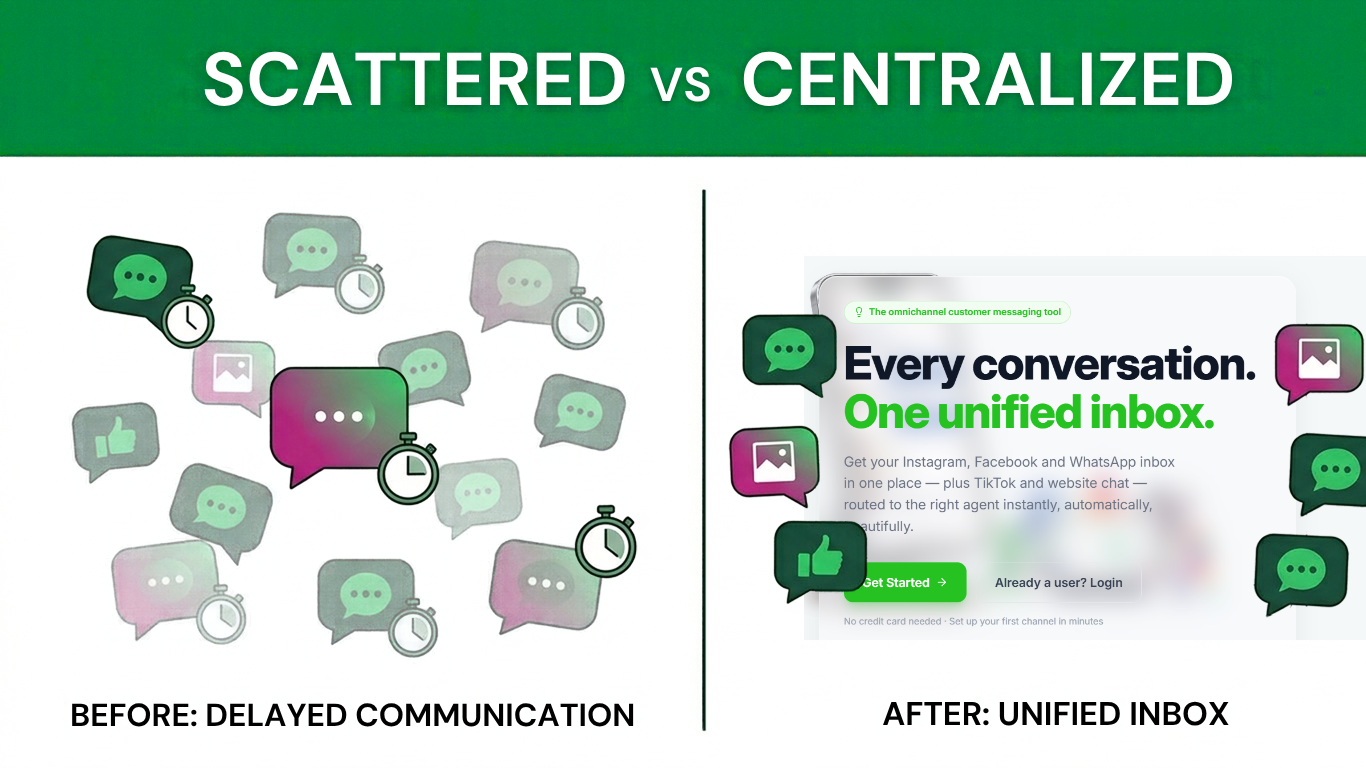
Consolidating messages into one screen is the starting point, not the finish line. Pulling every conversation into one view is useful, but the real value comes from what the system does with those conversations once they land there. Good customer messaging tools do three jobs well.
First, smart routing. When a message comes in, it should go to the right person automatically. A booking enquiry goes to the front-of-house team. A supplier question goes to operations. Nothing sits in a general pile waiting for someone to notice it and decide whose job it is.
Second, lead qualification and tracking. The system should tag where a conversation came from, whether it's a fresh enquiry or a returning customer, and where it sits in your process. That way, when a lead goes quiet, you know it, and you can follow up on purpose instead of hoping.
Third, auto-replies that don't sound like a robot wrote them at 2am. The point of an instant reply isn't to fully answer the question. It's to hold the person's attention for the minute or two it takes a human to get to them. "Thanks for messaging, we've got your enquiry and someone will confirm your table shortly" buys you the time that a blank screen never will. Done badly, auto-replies feel like a wall. Done well, they feel like a receptionist saying "one moment please" and meaning it.
A proper unified inbox does all of this without you having to babysit three apps. It turns a chaotic scramble into something you can actually run, measure, and improve.
How Vira.chat Centralizes This
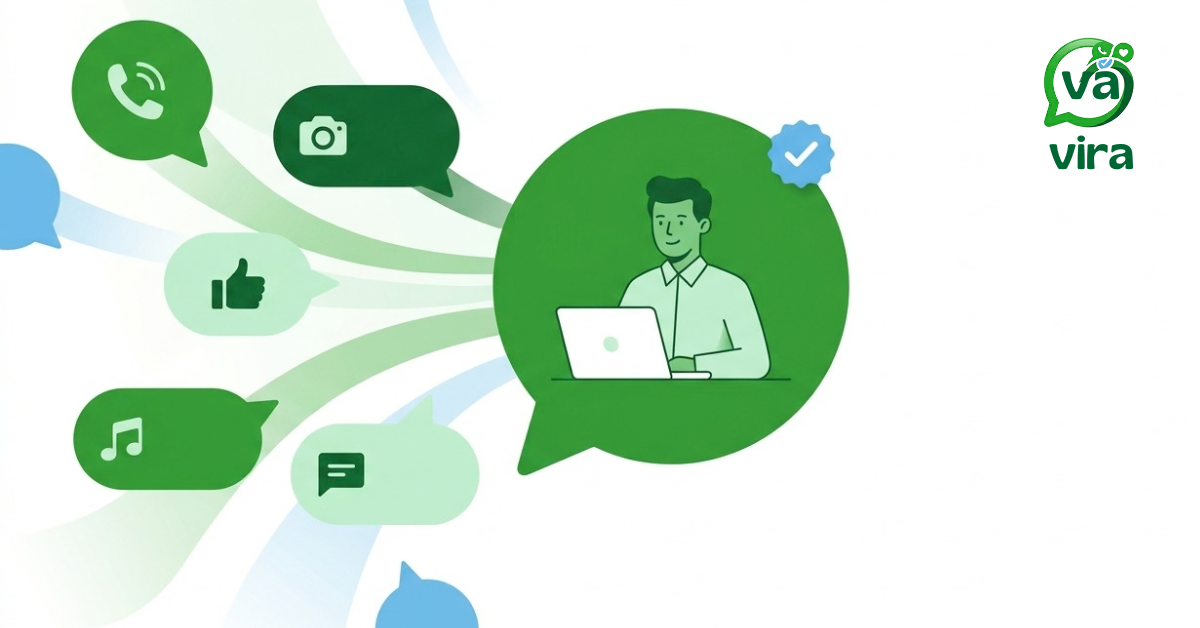
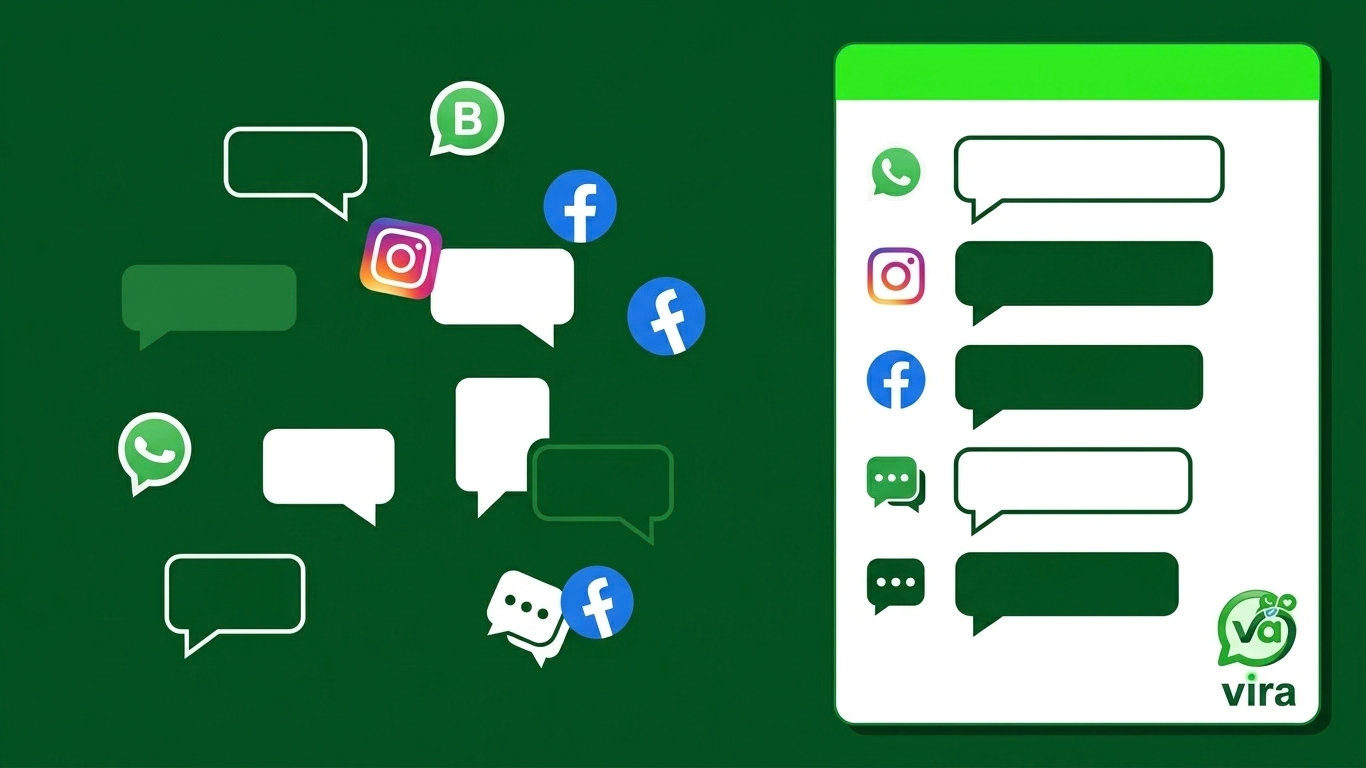
Vira.chat puts Facebook, Instagram, and WhatsApp conversations into one place, so the person running your promotion sees every reply in a single stream instead of hopping between apps and losing track. That alone closes the visibility gap that costs most businesses their paid leads.
It's built on the official WhatsApp Business API, which matters more than it might sound. Unofficial workarounds risk getting your number blocked, and a blocked number in the middle of a busy weekend is a disaster you cannot afford. Working within Meta's official framework keeps your account safe and your messaging compliant.
That framework includes a rule worth understanding: businesses have a 24-hour window to respond freely after a customer messages, and outside that window, only approved message templates can be sent. You can read the specifics in Meta's developer documentation on the messaging window. Miss the window because a message got buried, and reopening the conversation becomes harder and more restricted. A unified inbox that surfaces every message the moment it arrives keeps you comfortably inside that window without anyone having to track a countdown clock in their head.
With Vira.chat's smart routing handling who sees what, the flow looks less like firefighting and more like a system doing its job. Leads land, get sorted, get an instant acknowledgement, and get a real human reply before they cool off. The bookings that used to leak away quietly start actually closing.
The Fix Is Boring, Which Is Why It Works
There's no clever trick here. You don't need a bigger ad budget, a viral post, or a new platform. You need the leads you're already paying for to reach a human who can help them, fast, every time, across every channel they might message on. That's the entire job of a unified inbox, and it's the difference between an ad that pays for itself and one that just pays the platform.
If you spend money to make your phone light up with enquiries, the least you can do is make sure someone sees them. Scattered inbox management fails that basic test every single day, and most owners don't realise how much it's costing them because the losses are invisible. Nobody logs the booking that never happened.
If you know someone who's running ads and juggling replies across three apps, forward this to them. They're almost certainly losing bookings they'll never even know they had, and the fix is closer than they think.